Thinking about selling in the next few months and wondering what your Chapel Hill home could actually sell for? You are not alone. With demand shaped by UNC, UNC Health, and proximity to the Triangle’s job centers, prices can move for reasons that are not obvious from a generic estimate. In this guide, you will see how a local CMA is built, the Chapel Hill micro-markets that move value, what buyers are paying for right now, and how to get a personalized price range for your home. Let’s dive in.
How a Chapel Hill CMA works
A comparative market analysis, or CMA, is a data‑driven estimate of value based on recent sales and current competition. A solid CMA relies on local MLS data and a close read of your home’s features, upgrades, and location.
CMA steps you can expect
Property intake. Your agent confirms the facts: heated living area, beds/baths, lot size, year built, renovations, parking, outdoor space, HOA details, and special features. Permits and utility bills help verify improvements and efficiency.
Define comp search. Start with sold comps from the last 3 to 6 months, expand up to 12 months if needed. Keep the search within your micro‑market when possible and match property type, size, and condition.
Use three comp buckets. Review active listings (your competition), pendings (current market signal), and recent solds (actual outcomes). Pendings and solds carry the most weight for price achievement.
Price per square foot baseline. Calculate price per square foot from similar solds as a check, but never rely on it alone. It can hide condition, layout, and lot differences.
Adjustments. Apply dollar or percentage adjustments for differences in size, bedroom and bath count, lot usability, condition, age, parking, and location.
Price range and strategy. Produce a probable selling price range and a recommended list price. Strategy can include pricing just below key search thresholds or aiming higher when inventory is thin.
Risks and timeline. Note any condition or title items that could affect marketability, and outline expected days on market and closing timing under current conditions.
Common Chapel Hill adjustments
- Square footage and layout. Size matters, but functional layout and usable rooms matter too.
- Beds and baths. An added full bath or a true extra bedroom often brings an outsized bump in buyer interest.
- Lot usability and privacy. Flat yards, outdoor living spaces, and mature trees can command premiums.
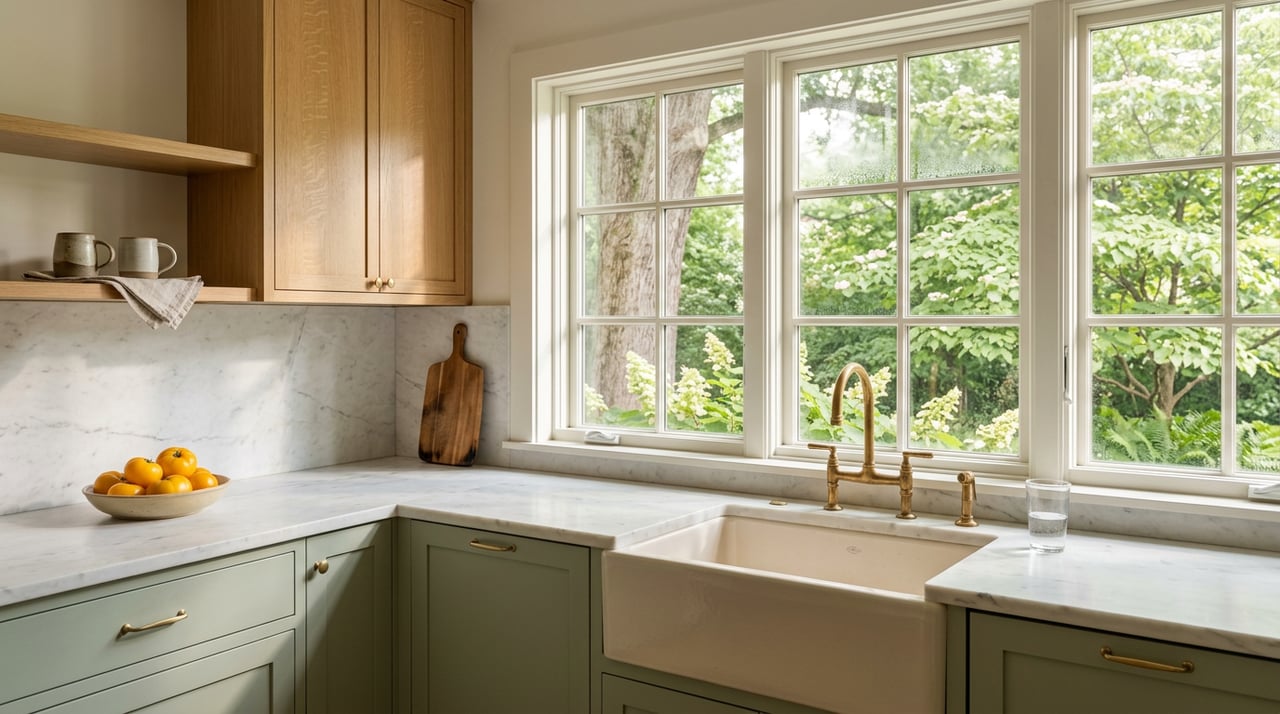
- Condition and updates. Modern kitchens and baths, updated systems, and clean finishes help sell faster and higher.
- Location specifics. Walkability to downtown and campus, quiet streets, and commute access influence price. Proximity to busy roads can reduce value.
- Parking and garages. Off‑street parking and garage space are meaningful, especially near campus.
- HOA or historic rules. Covenants or historic guidelines can affect what buyers can change, which influences demand.
CMA limits and accuracy
A CMA is an evidence‑based estimate, not a formal appraisal. Accuracy depends on the volume of recent local sales and how unique your home is. Highly unique or very high‑end properties may benefit from a licensed appraisal in addition to a CMA.
For current market indicators like median price, days on market, and inventory, rely on fresh MLS data right before you list. For town planning items or rezoning that could affect value, you can review updates from the Town of Chapel Hill’s planning and development pages. If you want national context on buyer and seller trends, the National Association of Realtors keeps current research and survey data available on its site.
- Review local planning and zoning updates through the Town of Chapel Hill planning pages: Town of Chapel Hill Planning
- Explore national trend insights from NAR: NAR Research and Statistics
Chapel Hill micro‑markets that move price
Chapel Hill is not a single market. Micro‑markets shape pricing, buyer pools, and days on market. Here are the broad segments your CMA should consider.
Downtown and UNC‑adjacent
If you are near Franklin Street or within a short bike or bus ride to campus, you may see strong demand for walkability and convenience. Older homes, townhomes, and condos compete on parking, condition, and proximity to dining and parks. Investor interest can also influence pricing in this area.
Planned communities and newer builds
Master‑planned or newer neighborhoods offer modern systems, amenities, and lower maintenance, which many buyers value. Warranties and energy efficiency features can help support higher prices for similar square footage.
Established neighborhoods with larger lots
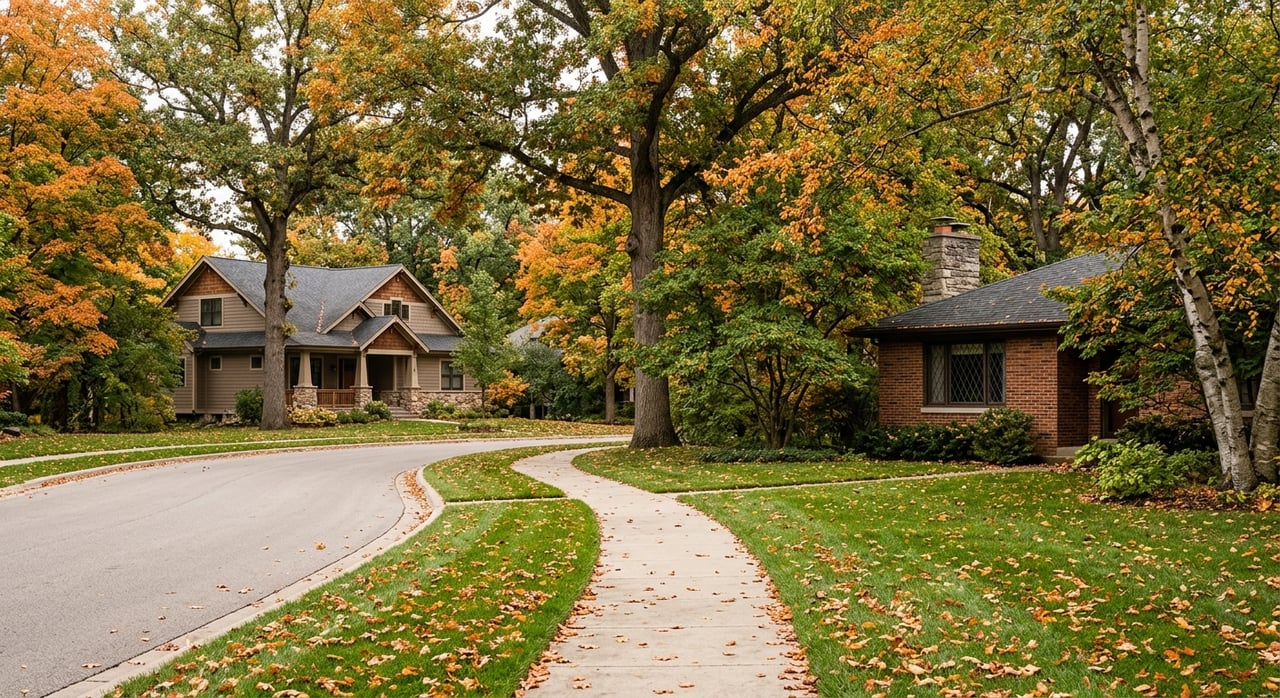
In established areas with a mature tree canopy, buyers often pay for privacy, yard usability, and character. Custom builds and mid‑century homes can trade differently from smaller infill properties nearby, so your CMA should stay hyper‑local.
Suburban edges and commuter access
On the edges of town, value is often tied to price per square foot and access to major routes like I‑40 and RTP. Here, practical layouts and updated systems help attract relocating buyers with set timelines.
Condo and townhouse segments
These properties serve first‑time buyers, downsizers, and some investors. HOA fees and rules, parking, and commute times to UNC and UNC Health play a big role in value. If schools matter to a buyer, they will often confirm current boundaries and performance data directly with the district. You can explore district resources on the Chapel Hill‑Carrboro City Schools site: Chapel Hill‑Carrboro City Schools
What buyers are paying for right now
Buyer preferences shift with lifestyle and costs. Today’s Chapel Hill buyers tend to prioritize:
- Move‑in ready condition with updated kitchens and baths.
- Flexible space for a home office, fitness, or playroom.
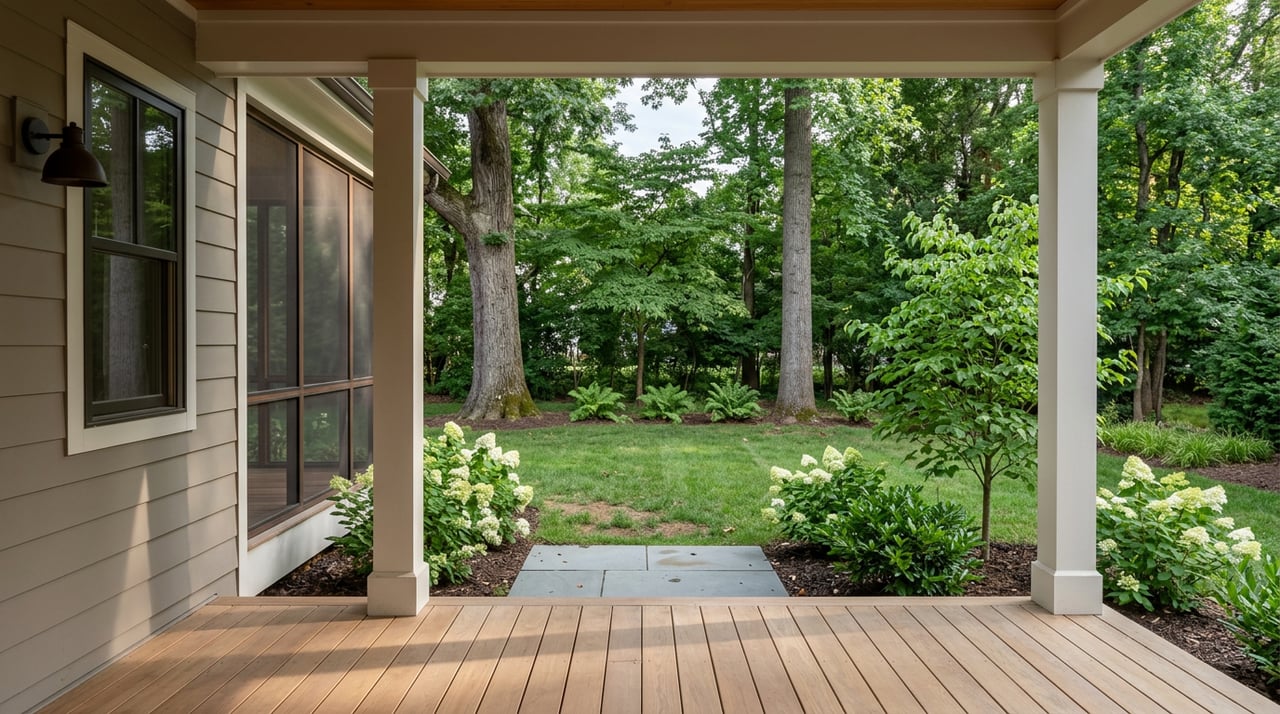
- Outdoor living like decks, patios, and usable yards.
- Energy efficiency, including newer HVAC, insulation, and high‑quality windows.
- Walkability to shops, parks, and services, where available.
- Low‑maintenance finishes and simple smart‑home features like smart thermostats and locks.
These priorities show up in offers, not just showings. Homes that check more of these boxes often move faster and closer to list price.
Smart updates with consistent ROI
You do not have to gut‑renovate to win buyers. Focus on projects that widen appeal and reduce buyer risk.
- Fresh paint, light fixtures, and decluttering. Neutral paint and simple lighting updates change the feel of a home quickly.
- Kitchen and bath refreshes. Think hardware, faucets, resurfaced cabinets, or new counters where dated. Targeted updates beat over‑improving.
- Curb appeal. Mulch, trimmed landscaping, a clean entry, and clear house numbers boost first impressions.
- Address deferred maintenance. Roof, HVAC, and water heater condition matters. If replacement is not planned, price and disclose clearly.
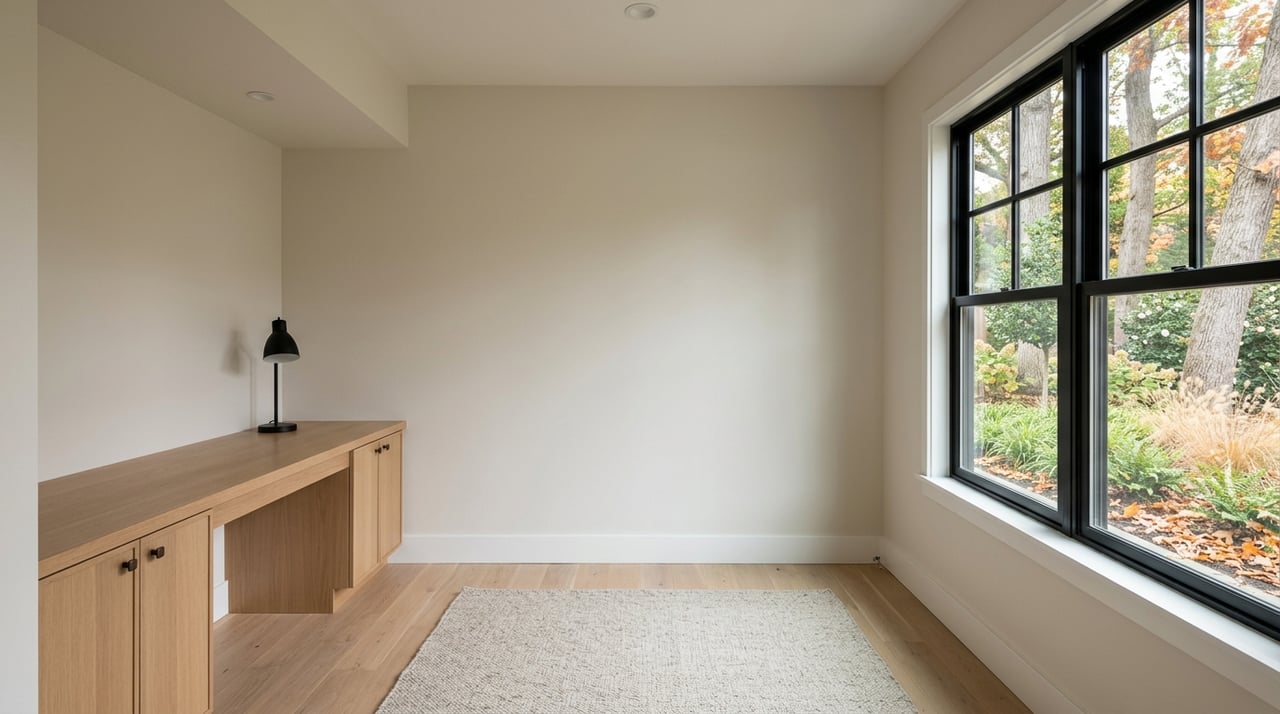
- Define a work zone. Stage or create a dedicated workspace to catch the eye of remote workers.
- Energy info. Provide recent utility bills and highlight energy‑related upgrades. Buyers ask about monthly costs.
Pricing strategy and timing
Great pricing is both data and psychology. Your CMA should identify a clear range, then weigh two key strategies: pricing just below a common search threshold to maximize traffic, or pricing toward the top of the range when inventory is low and your home’s condition stands out.
Buyer types influence this choice. Owner‑occupants often pay for condition and location. Investors may be more focused on rent potential and numbers. Relocation buyers tied to UNC, UNC Health, or RTP often move quickly once they find the right fit.
In North Carolina, the period from offer to closing is commonly 30 to 45 days, depending on financing and contingencies. For an overview of the closing process in our state, your attorney or title company can walk you through specifics. For tax questions, including potential capital gains exclusions on a primary residence, review IRS guidance: IRS Publication 523 and consult a tax professional.
Where price data comes from
When you request a valuation, expect your agent to rely on local MLS data for comps and trends. To confirm property details such as lot size, tax history, or deed information, your agent may reference Orange County records. You can explore these offices here:
- Orange County Tax Office: Orange County, NC Tax Office
- Orange County Register of Deeds: Register of Deeds
Planning and zoning updates can affect value through development approvals or overlays. If you want to understand neighborhood rules or growth areas, visit the Town’s planning resources: Town of Chapel Hill Planning
What to send for a personalized valuation
To deliver a precise CMA and a clear net proceeds estimate, your agent will ask for:
- Property address and tax parcel ID.
- Heated living area and any finished basement or attic details.
- Bedroom and bathroom count and any layout changes.
- Year built and a list of major updates with dates, permits, and receipts if available.
- Lot size and notes on easements, drainage, or use restrictions.
- Current occupancy and lease details if tenant occupied.
- HOA documents and dues, if applicable.
- Last 12 months of utility bills and the latest property tax bill.
- Any rental history or short‑term rental permits.
- Your ideal timeline and flexibility on price and terms.
What you will receive in return
- Side‑by‑side comps for active, pending, and sold listings.
- A price per square foot check and an adjusted value range with clear reasoning.
- A recommended list price, pricing strategy, and expected days on market.
- Estimated closing costs and a projected seller net sheet under several scenarios.
- A tailored prep plan that balances ROI with speed, including staging ideas and minor fix lists.
- A step‑by‑step timeline from prep through closing so you can plan your move with confidence.
Ready to see what your home could sell for in today’s Chapel Hill market? Request a custom CMA and a clear plan for making your move. Connect with Dana Wicker Cantrell to get started.
FAQs
How accurate is a CMA vs. an appraisal in Chapel Hill?
- A CMA is a market‑based estimate built from recent comps and is used for pricing strategy, while a licensed appraiser produces a formal valuation for lending; both are useful, but the CMA is tailored to current buyer behavior and your listing strategy.
How long will my Chapel Hill home take to sell?
- Timing depends on price relative to the market, condition, and micro‑market location; your CMA will include recent days‑on‑market data and a strategy to position your home competitively.
Should I repair or reduce price before listing in Chapel Hill?
- Minor cosmetic fixes often deliver strong ROI, and for major systems you can repair, offer credits, or price accordingly; your agent will model net proceeds for each approach.
What closing costs should Chapel Hill sellers expect?
- Typical seller costs include commissions, attorney/title fees, state and local recording fees, and any negotiated concessions; your CMA package should include a net sheet with estimated costs under different price scenarios.
What documents do I need to list my home in Chapel Hill?
- Gather your deed or latest tax bill, mortgage payoff info, HOA documents, permits for renovations, utility bills, and any lease agreements if tenant occupied; these help produce an accurate CMA and clear disclosures.