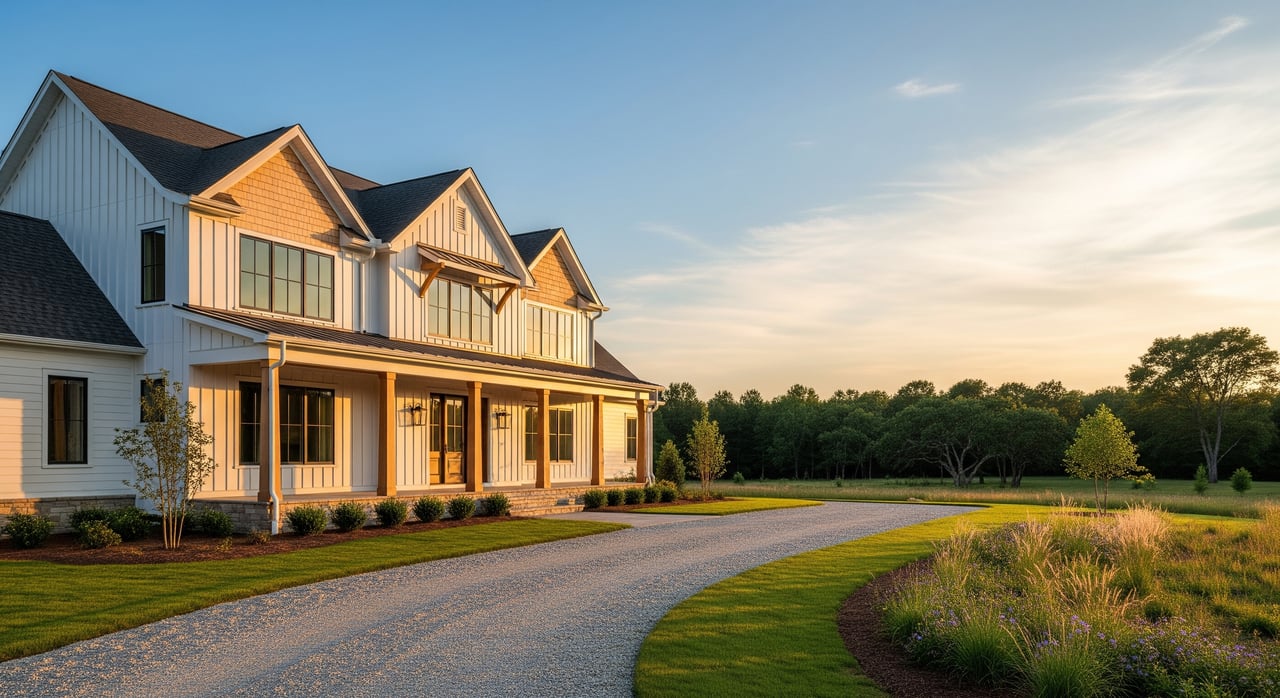
Thinking about building in Chatham Park but not sure where to start? You are not alone. New construction in a large, master-planned community can feel complex, especially if you are relocating or moving up. In this guide, you will learn how Chatham Park is organized, how to compare builders and lots, what to look for in HOA documents and amenities, and what to expect from timelines and financing. Let’s dive in.
Why Chatham Park
Chatham Park is a large, mixed-use community in Pittsboro that blends neighborhoods, town-center retail, parks, and open space. If you want newer construction, planned amenities, and a connected feel near a small-town core, it is worth a close look. Many buyers here are relocating to the Triangle or moving up for more space and modern features.
Location and commute
You are close to Pittsboro’s town core with access to regional routes that reach Research Triangle Park, Raleigh, Durham, and Chapel Hill. Commute times vary by village and time of day. For the best picture, test your drives during typical commute windows and use real-time maps from your prospective work address.
Villages and phases
Think of Chatham Park as a network of distinct villages, released in phases. Each village can differ in home types, lot sizes, architecture, and proximity to parks or the town center. Ask the sales center for the current village map, phase plan, and a PDF of the design guidelines and future amenity map so you can compare options side by side.
Choose the right builder and home
Builder types and options
You will see a mix of builder types across villages:
- National or regional production builders with spec homes and quick-move options.
- Local or semi-custom builders with more floor plan flexibility.
- Custom builders for larger or estate-style lots.
Confirm the current builder roster for your target village and whether lots are sold with a specific builder or separately. Ask for a clear list of standard features, upgrade allowances, energy-efficiency specs, warranty coverage, and who to contact for service issues.
Architectural styles and controls
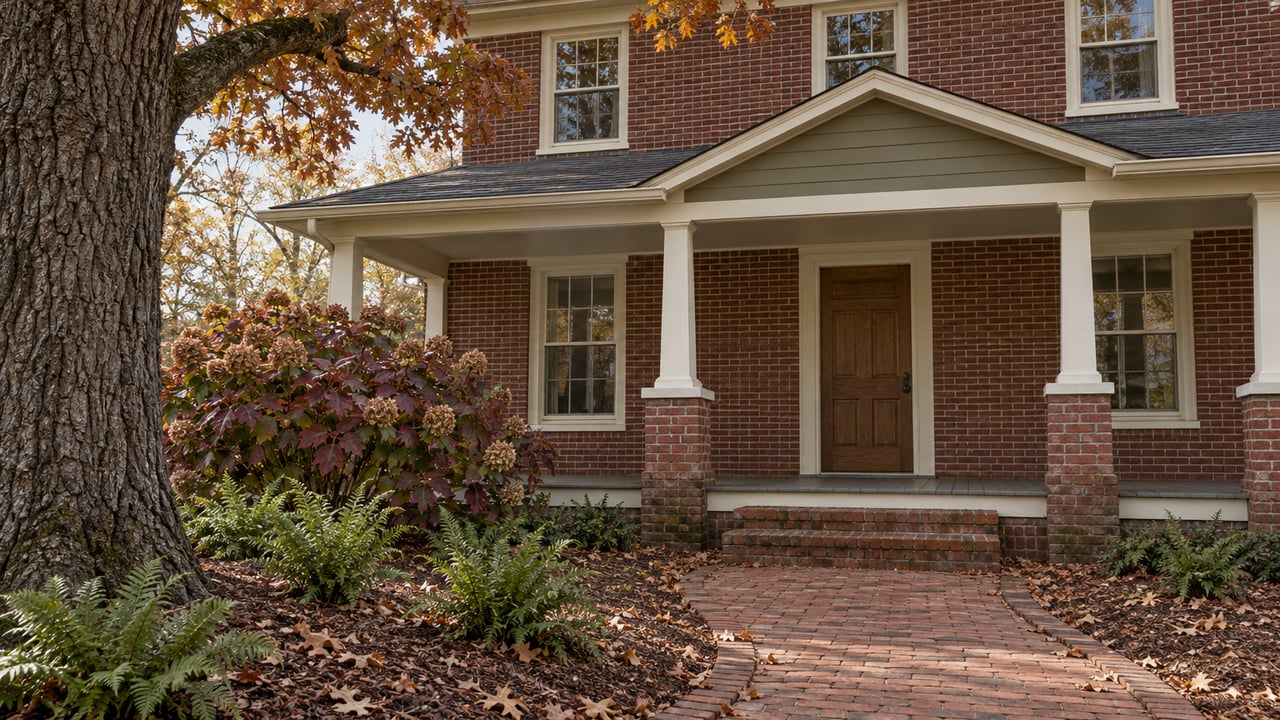
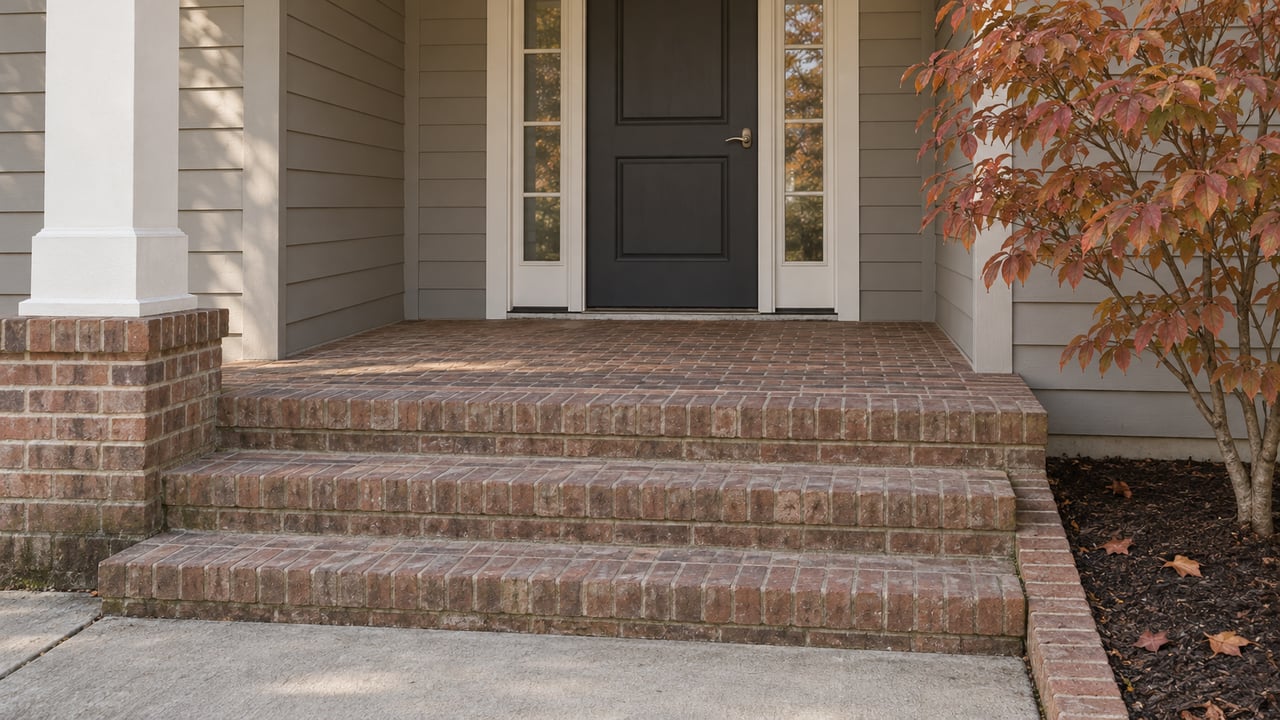
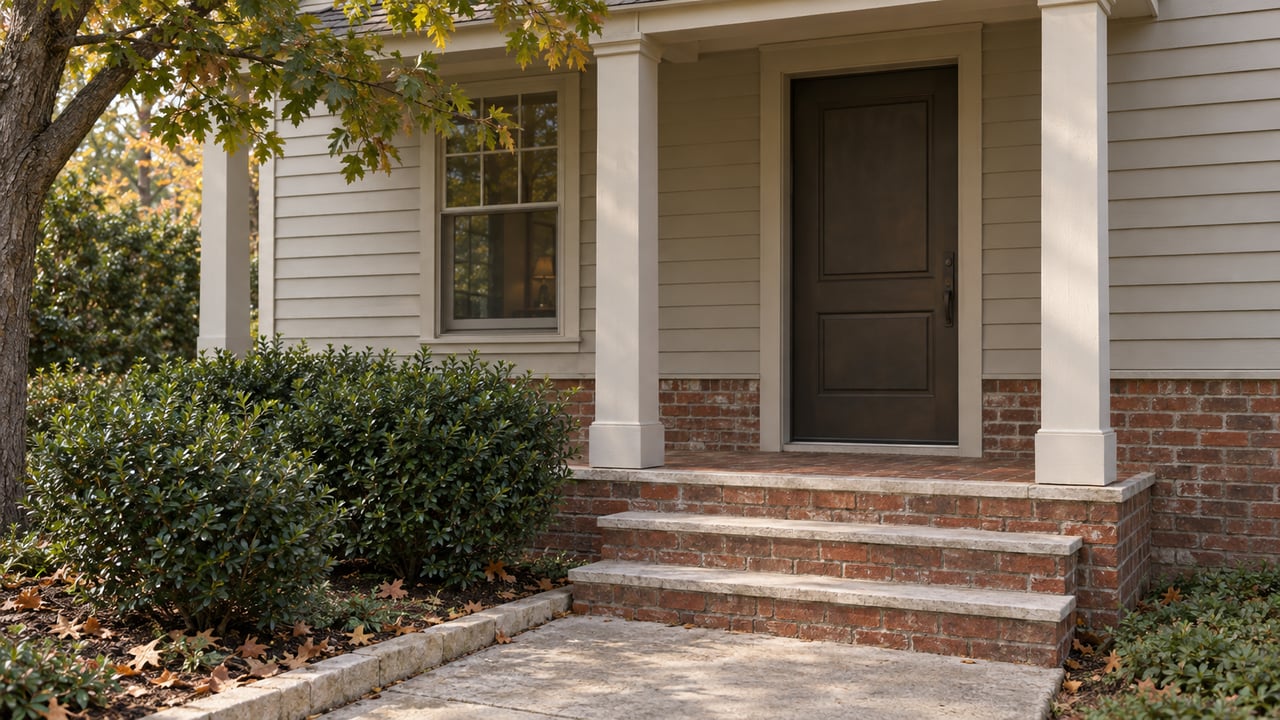
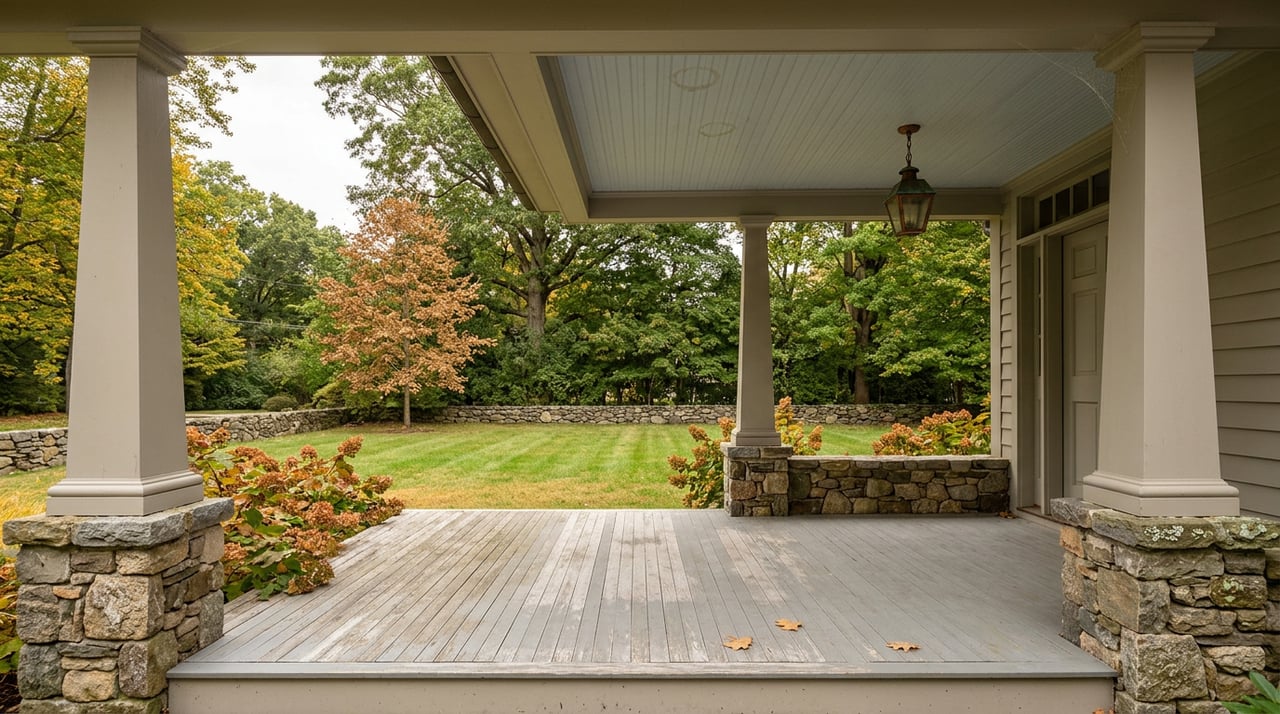
Design guidelines shape the look and streetscape of each village. Expect traditional influences, Craftsman and bungalow elements, modern farmhouse, and contemporary townhome styles near mixed-use areas. A Design Review Board typically oversees materials, rooflines, colors, garage placement, porches, and landscaping. Request the design guidelines and review approval steps and timelines before you commit.
Lot selection essentials
Choosing the right lot is just as important as the floor plan. Evaluate:
- Orientation and solar exposure for energy and outdoor living.
- Topography and drainage, which can impact foundation and retaining costs.
- Tree canopy and any protection zones that limit clearing.
- Setbacks, buildable area, and easements that affect usable yard space.
- Lot type and size, including alley-loaded, front-loaded, cul-de-sac, or estate.
- Proximity to amenities, main roads, schools, stormwater features, or future commercial sites.
- Wetlands, floodplain, or buffers using recorded plats and county GIS.
- Views and privacy, keeping future phases in mind.
Key questions to ask about a specific lot:
- Are there lot premiums and what is included?
- Have soil tests or borings been completed?
- Where are utility tie-ins and are there connection fees?
- Are there recorded easements or conservation restrictions?
- What adjacent uses are planned in next phases?
HOA, amenities, and costs
Large master plans often have a master association plus village-level associations. This can mean different rules, services, and fees by neighborhood. To avoid surprises, review the CC&Rs, design guidelines, ARB procedures, bylaws, assessment schedules, and the most recent budget and reserve study.
What to verify
Typical amenities include a town center, parks and playgrounds, trails, sports courts, pools, and conservation areas. Some communities also include schools and civic spaces. Verify what is open now, what is planned, the target completion timelines, and whether certain amenities require an additional fee or membership. Ask who handles landscaping, private roads, and stormwater maintenance.
Fees and documents to review
Expect a master assessment and possibly a neighborhood assessment for extra services like front-yard maintenance or private amenities. Special assessments can occur. Request the current fee schedule, the latest HOA budget and reserve study, recent or planned special assessments, and sample contracts for any included maintenance.
Timeline and purchase process
Paths to purchase
You will typically choose between two paths:
- Inventory or spec home: Faster closing in weeks to a few months depending on lending, with fewer customization options.
- Build-to-order: Select a plan and options. Production builds often run about 6 to 12 months from contract to close. Custom builds can take longer.
Key checkpoints
Allow time for lot prep, grading, and utility connections. Permits run through Chatham County and timing depends on complexity and volume. Your build will move through foundation, framing, finishes, inspections, and sign-offs. Lender underwriting can also impact the schedule.
Financing basics
Financing varies by product type:
- Conventional mortgage for an inventory home.
- Construction-to-permanent loan for a true build with draw inspections.
- FHA or VA construction programs may be available if the builder is approved.
Get preapproved for the exact product you plan to buy and work with a lender experienced in construction draws and new-build timelines.
Buyer checklist
Before you sign
- Secure a written preapproval and clarify cash needs for earnest money, lot or option deposits, and upgrades.
- Request the current village map, lot plat, design guidelines, CC&Rs, and a sample contract.
- Get a written list of standard features and energy specs, including appliance brands and HVAC details.
- Review HOA documents, budget, reserve study, meeting minutes, and any pending litigation or special assessments.
- Ask for the builder’s third-party warranty and service procedure.
During the build
- Confirm permit status and the projected approval date.
- Ask for a project schedule with major milestones and the builder’s delay policy.
- Schedule walkthroughs at foundation, framing, pre-drywall, and pre-closing.
- Hire an independent inspector familiar with new construction to produce a punch list.
- Keep a communication log and get change orders in writing with pricing and timeline impacts.
After closing
- Know your warranty coverage and service request process, including typical one-year workmanship and longer structural terms.
- Request final as-built documents and utility tie-in confirmations for your records.
Compare Chatham Park to other options
Use this quick comparison list when evaluating Chatham Park against other master-planned communities:
- Product mix and lot types, from townhomes to larger lots.
- Completed versus planned amenities and delivery timelines.
- HOA rules, design review strictness, and flexibility for exterior changes.
- Resale patterns for similar homes in the area.
- Commute to work, shopping, and services.
- Builder roster, warranty track record, and references.
- Impact of future phases on nearby lots and streets.
Next steps
If Chatham Park matches your lifestyle and timeline, start with village maps, design rules, and a short list of builders. From there, walk priority lots at different times of day, gather HOA budgets and fee schedules, and align financing with your purchase path. If you want a sounding board on lot fit, builder options, or construction timelines, reach out. I bring construction and lending experience to help you make a confident, well-informed decision. Ready to talk through your plan for Pittsboro? Connect with Dana Wicker Cantrell to get started.
FAQs
What is Chatham Park in Pittsboro, NC?
- It is a large, mixed-use, master-planned community organized into villages with homes, a town center, parks, trails, and conservation areas.
How long does a new build in Chatham Park take?
- Inventory homes can close in weeks to a few months, while build-to-order homes often take about 6 to 12 months for production builders and longer for custom.
How do I choose the right lot in Chatham Park?
- Evaluate orientation, slope, easements, proximity to amenities or roads, potential future phases, and any floodplain or buffer areas shown on recorded plats.
What HOA costs should I expect in Chatham Park?
- Expect a master assessment and possibly a village-level assessment; request the current fee schedule, HOA budget, reserve study, and any special assessment history.
Which amenities are open now in Chatham Park?
- Amenities vary by phase; verify what is completed today, what is planned, the projected timelines, and whether any facilities require additional fees or memberships.
Can I buy a lot and bring my own builder in Chatham Park?
- It depends on the village; some areas are tied to specific builders or lot-home packages, so confirm current policies and options with the sales center or listing agent.