Thinking about listing your Chapel Hill home soon? In a market where the median sale price reached $502,500 in March 2026 and homes went pending in about 25.5 days, it can be tempting to assume almost any house will sell quickly. But buyers are comparing options closely, and the homes that look well cared for from the start often have an edge. If you want to spend wisely before listing, this guide will help you focus on the updates most likely to improve presentation, reduce buyer hesitation, and support a strong launch. Let’s dive in.
Why smart updates matter in Chapel Hill
Chapel Hill is still a relatively high-value, moderately fast-moving market, with a 97.9% sale-to-list ratio and 23.8% of homes selling above list price according to Redfin. That is good news for sellers, but it does not mean presentation no longer matters.
Many local buyers are staying within the metro area while they search, which means they are often comparing your home against nearby alternatives. When buyers can scroll through several listings in the same market, condition, photos, and first impressions can shape whether they book a showing.
That matters even more in Chapel Hill because the buyer pool is highly educated and digitally connected. Census QuickFacts shows a high rate of bachelor’s degrees among adults and a median owner-occupied home value of $613,700, which suggests many buyers are detail-oriented and price-conscious at the same time.
Start with visible condition issues
If your budget is limited, your first priority should usually be the things buyers will notice right away in photos and during a showing. The National Association of REALTORS® reported in its 2025 Remodeling Impact Report that buyers are less willing to compromise on condition than they were in the past.
That makes a strong case for tackling the basics before you think about larger cosmetic projects. In many Chapel Hill homes, especially those built between 1980 and 1999 or since 2000, a selective refresh can go further than a major remodel.
Paint where buyers will notice
Fresh paint is one of the most common pre-listing recommendations. NAR found that painting the entire home was the top suggestion from REALTORS®, with painting one room also ranking high.
If your walls show wear, scuffs, patch marks, or strong color choices, fresh neutral paint can make the home feel cleaner and more move-in ready. It also helps photography, which matters because buyers often form their first impression online.
Handle minor repairs
Small issues tend to create bigger questions in a buyer’s mind. Loose trim, chipped caulk, sticky doors, cracked switch plates, and visible wall patches can make buyers wonder what else has been deferred.
Before listing, it is worth tightening up the details. A home that feels maintained tends to inspire more confidence than one with a long list of little distractions.
Deep clean everything
Cleaning is not glamorous, but it can be one of the highest-impact steps you take. Floors, baseboards, windows, light fixtures, bathrooms, and kitchen surfaces should all feel fresh and well cared for.
A spotless home supports better listing photos and helps buyers focus on the space itself rather than the work they think they will need to do.
Refresh kitchens and baths carefully
Kitchens and bathrooms matter, but that does not automatically mean you should take on a full renovation before listing. The 2025 NAR report shows that buyers are paying close attention to these spaces, yet the best pre-listing strategy is often a targeted refresh instead of a major custom overhaul.
In Chapel Hill, that approach often makes sense because many homes are not obsolete. They may just need selective updates to look current, clean, and functional.
Focus on high-visibility changes
Instead of gutting a kitchen or bath, consider updates that improve appearance without overcapitalizing. That can include:
- Replacing dated cabinet hardware
- Updating light fixtures
- Swapping worn faucets
- Refreshing grout or caulk
- Installing a simple backsplash
- Addressing visibly worn counters if needed
These changes can help the space photograph better and feel more current during showings. They also tend to be easier to complete on a shorter timeline.
Avoid taste-driven overhauls
If your budget is tight, large custom remodels are usually harder to justify right before listing unless they solve a major problem. NAR’s findings support a more conservative approach, where smaller upgrades often make more sense than expensive, highly personalized improvements.
The goal is not to create your dream kitchen for someone else. The goal is to remove objections and help buyers see a clean, functional, appealing space.
Fix flooring and deferred maintenance
Flooring can have an outsized effect on how buyers judge value. If carpets are stained, hardwoods are heavily scratched, or damaged flooring shows up in listing photos, buyers may assume the home has broader maintenance issues.
In a market with higher home values, visible wear can feel more significant to buyers. Even if the issue is minor, it can affect how they interpret price and condition.
Prioritize what shows in photos
You do not always need to replace every floor covering in the house. Start with the areas that will be featured in photos and the rooms where damage is most noticeable.
If full replacement is not practical, professional cleaning, refinishing, or selective repairs may still improve presentation. The key is to make the home feel well maintained from the first click to the final walkthrough.
Improve curb appeal before launch
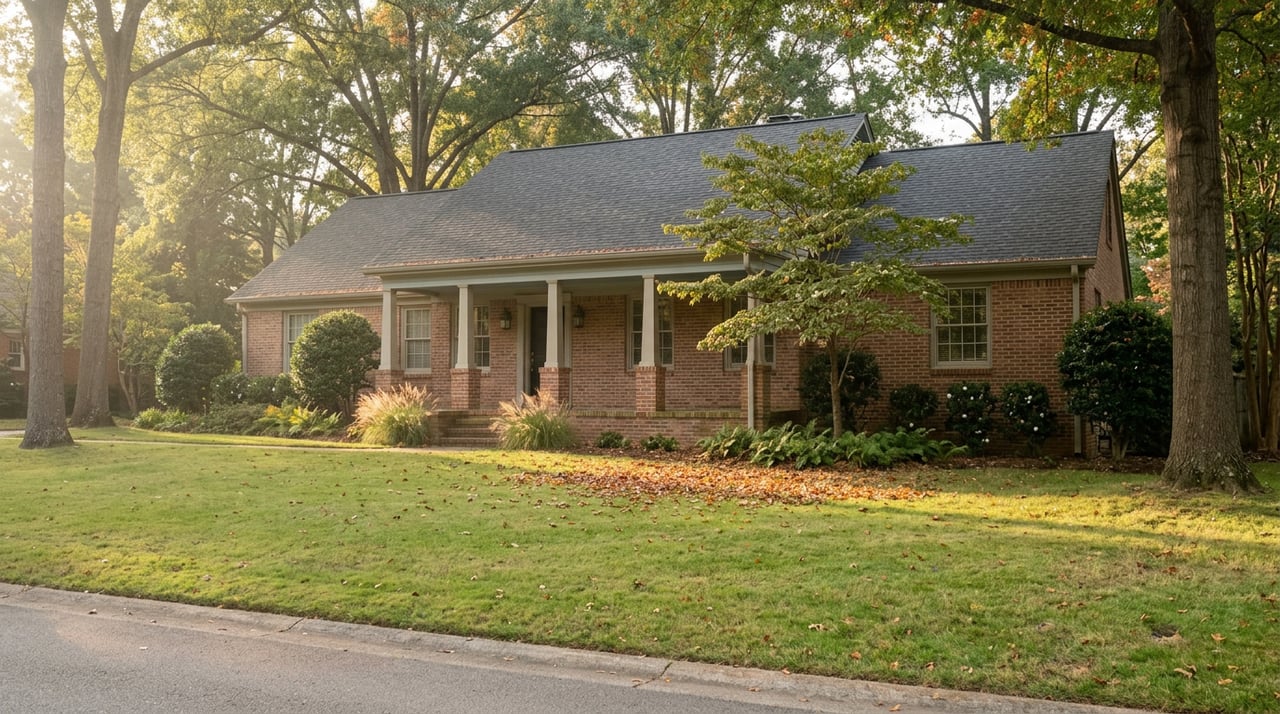
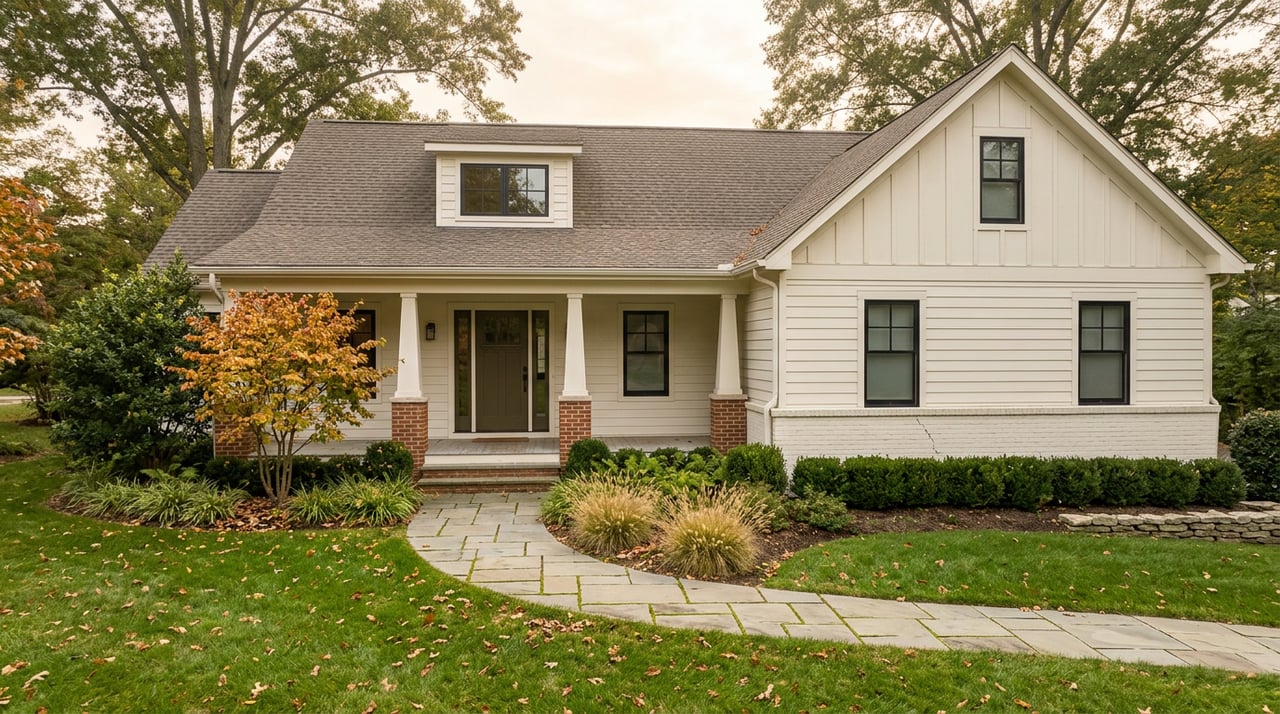
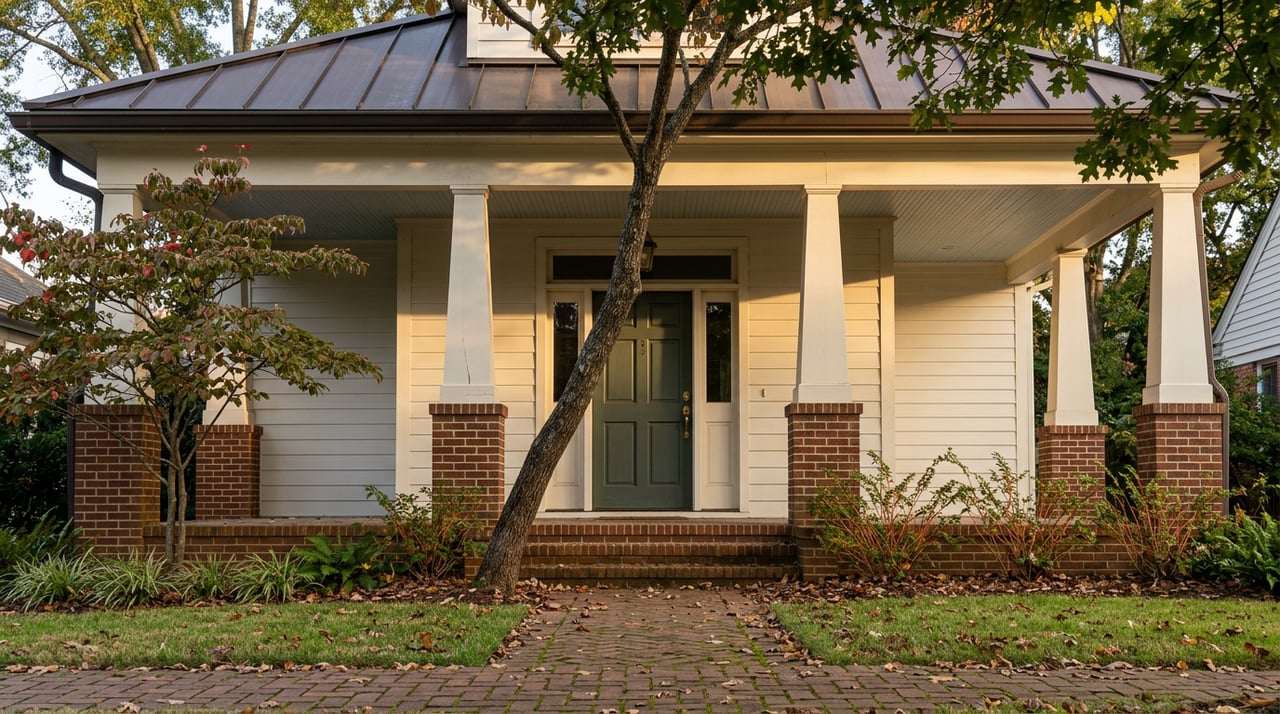
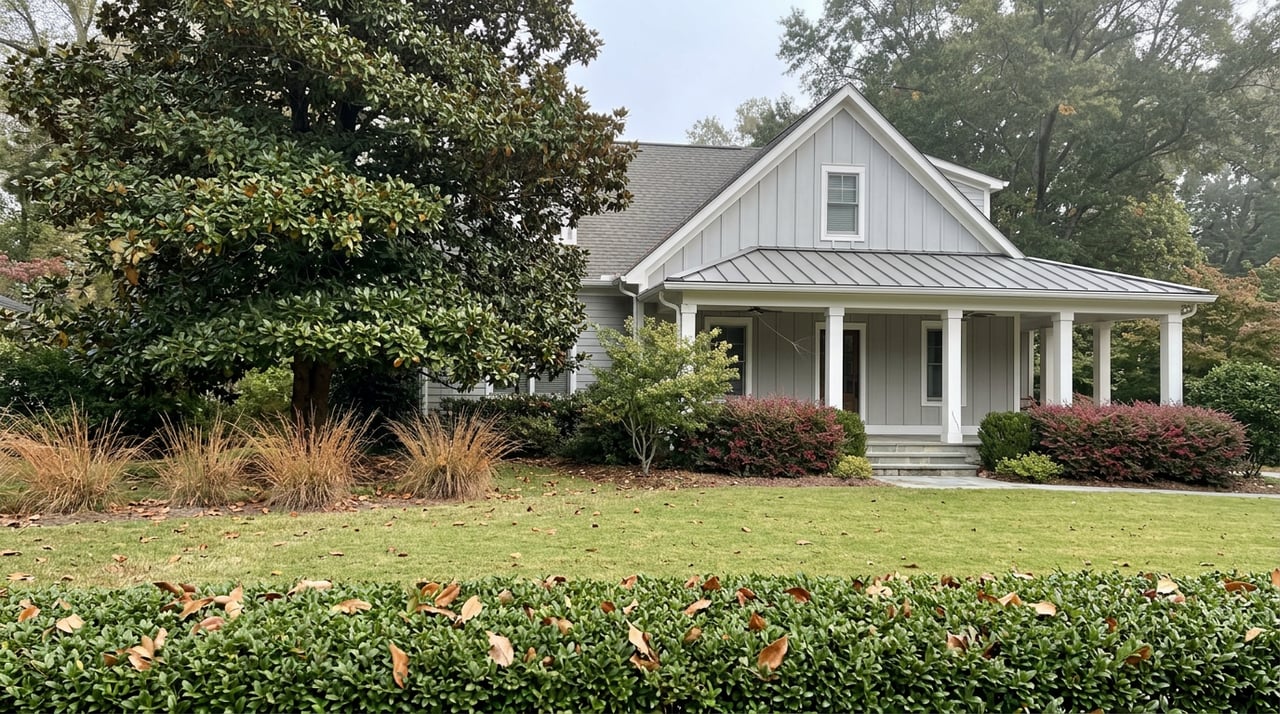
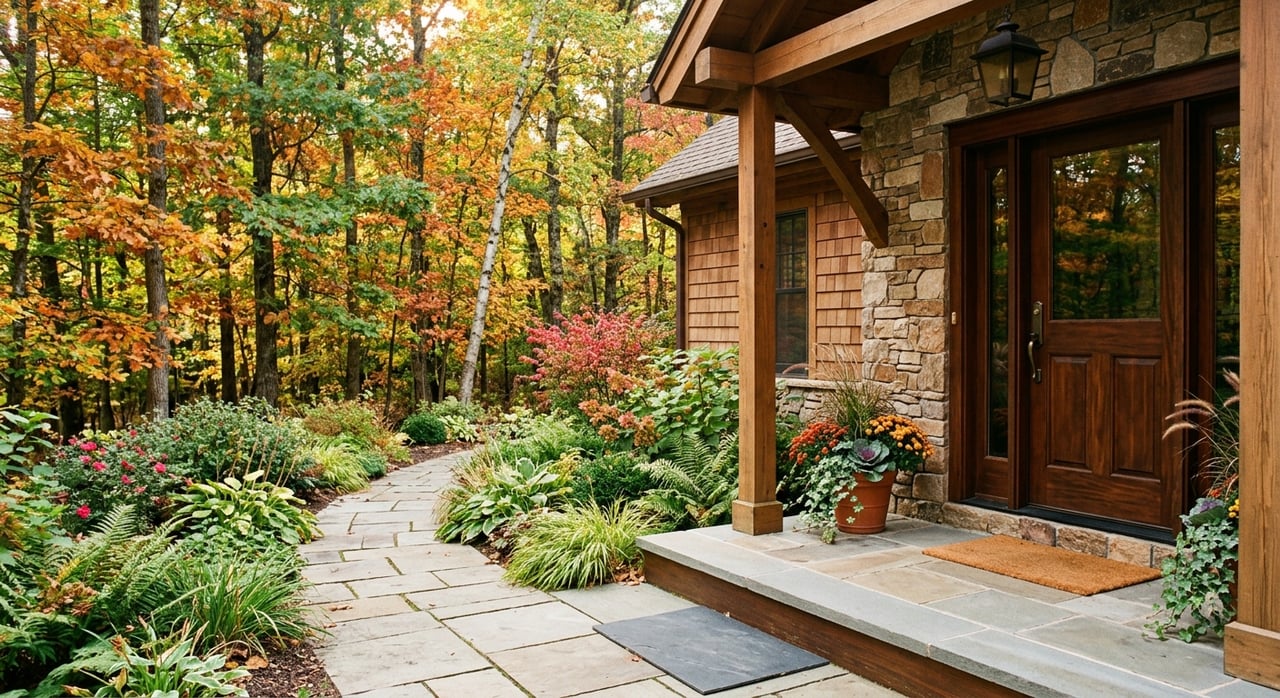
Exterior presentation is one of the clearest places to spend smartly before listing. NAR reports that 92% of REALTORS® recommend improving curb appeal before listing, and its outdoor project data points to strong payback from standard lawn care and landscape maintenance.
That is especially important because buyers start forming opinions before they ever walk through the front door. A clean, cared-for exterior sets the tone for everything that follows.
Best curb appeal updates
Simple exterior improvements can make a noticeable difference, including:
- Pressure washing walkways, siding, and porches
- Refreshing mulch
- Pruning shrubs and trees
- Painting or replacing the front door if needed
- Updating house numbers
- Making sure the entry is clean and well lit
These are practical updates, not flashy ones. They help your home feel inviting and move-in ready without requiring a major investment.
Add comfort-focused efficiency fixes
Energy efficiency improvements can be useful before listing, but this is another area where you should stay practical. According to ENERGY STAR, sealing air leaks, weatherstripping doors, caulking windows, and adding insulation can improve comfort and reduce annual energy bills.
For sellers, that usually means focusing on visible condition and everyday comfort rather than pursuing a major retrofit. If a room feels drafty or an obvious sealing issue is visible, those fixes can support both livability and buyer perception.
One important note: the IRS states that the federal Energy Efficient Home Improvement Credit was terminated for property placed in service after December 31, 2025. So while efficiency improvements may still help marketability, you should not assume that credit is available.
What to skip if funds are limited
If you cannot do everything, follow a simple order of operations. First, fix what buyers will see right away. Second, address issues that may raise concerns during inspection. Third, consider discretionary improvements only if the budget still allows.
That sequence fits both local market conditions and current buyer behavior. It helps you avoid spending heavily on upgrades that do not meaningfully improve your launch.
Lower-priority projects
In many cases, you can deprioritize:
- Major custom remodels
- Highly personal design upgrades
- Expensive projects that do not solve a visible or functional problem
- Improvements in areas buyers are less likely to focus on early
Pre-listing prep should be strategic, not endless. You are aiming for a polished, market-ready home, not a full reinvention.
Why timing and coordination matter
A smart update plan is only helpful if it gets done in the right order. NAR’s buyer data shows that 43% of buyers started online, 52% found the home they bought online, and 81% said listing photos were the most useful feature.
That means your pre-listing timeline should support how buyers actually shop. In most cases, the right sequence is repair first, stage second, photograph third.
Stage after repairs
According to NAR’s 2025 home staging snapshot, 83% of buyers’ agents said staging made it easier for a buyer to visualize the property as a future home. The most commonly staged rooms were the living room, primary bedroom, and dining room.
Staging works best when the home is already clean, repaired, and visually calm. If you stage before finishing updates, you risk slowing the process or reducing the effect.
Use trusted contractor guidance
Coordinating painters, handymen, cleaners, landscapers, and photographers can quickly become overwhelming. The NAR consumer guide on hiring a remodeling contractor recommends interviewing at least three contractors and confirming licensing, insurance, scope, pricing, and timeline in writing.
That kind of planning can help you avoid delays and keep your pre-listing budget focused on the work that matters most.
A practical Chapel Hill seller strategy
For many Chapel Hill sellers, the best return comes from restraint and clarity. Focus on paint, repairs, flooring, curb appeal, and targeted kitchen or bath refreshes before you consider anything larger.
That approach fits the local housing stock, supports how buyers shop online, and helps your home compete well in a market where buyers often have nearby alternatives. When you prepare thoughtfully, you give your listing a better chance to stand out for the right reasons.
If you are getting ready to sell and want practical advice on which updates are worth doing before you list, Dana Wicker Cantrell can help you build a plan that fits your timeline, budget, and goals.
FAQs
What pre-listing updates matter most for Chapel Hill sellers?
- For many Chapel Hill sellers, the most important pre-listing updates are fresh paint, minor repairs, deep cleaning, flooring fixes, and curb appeal improvements that show well in photos and in person.
Should Chapel Hill homeowners remodel the kitchen before selling?
- In many cases, a Chapel Hill homeowner is better served by a targeted kitchen refresh, such as hardware, lighting, faucets, or backsplash updates, rather than a full remodel right before listing.
Are curb appeal projects worth it before listing a Chapel Hill home?
- Yes, curb appeal projects are often worth it because buyers notice the exterior first, and NAR reports that most REALTORS® recommend improving curb appeal before listing.
Do energy-efficiency updates help when selling a Chapel Hill house?
- Energy-efficiency updates can help if they improve comfort and visible condition, especially simple fixes like weatherstripping, caulking, or air sealing.
When should Chapel Hill sellers stage their home before listing?
- Chapel Hill sellers should usually complete repairs and cleaning first, then stage the home, and then schedule professional photography for the listing launch.