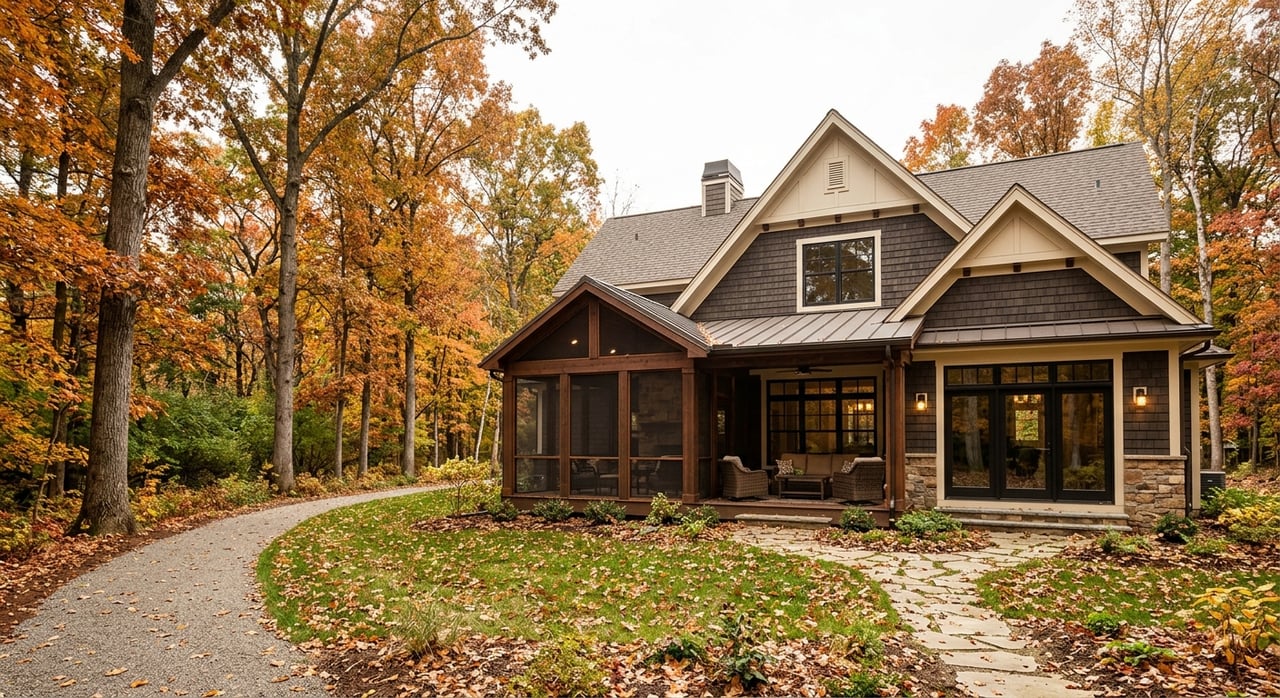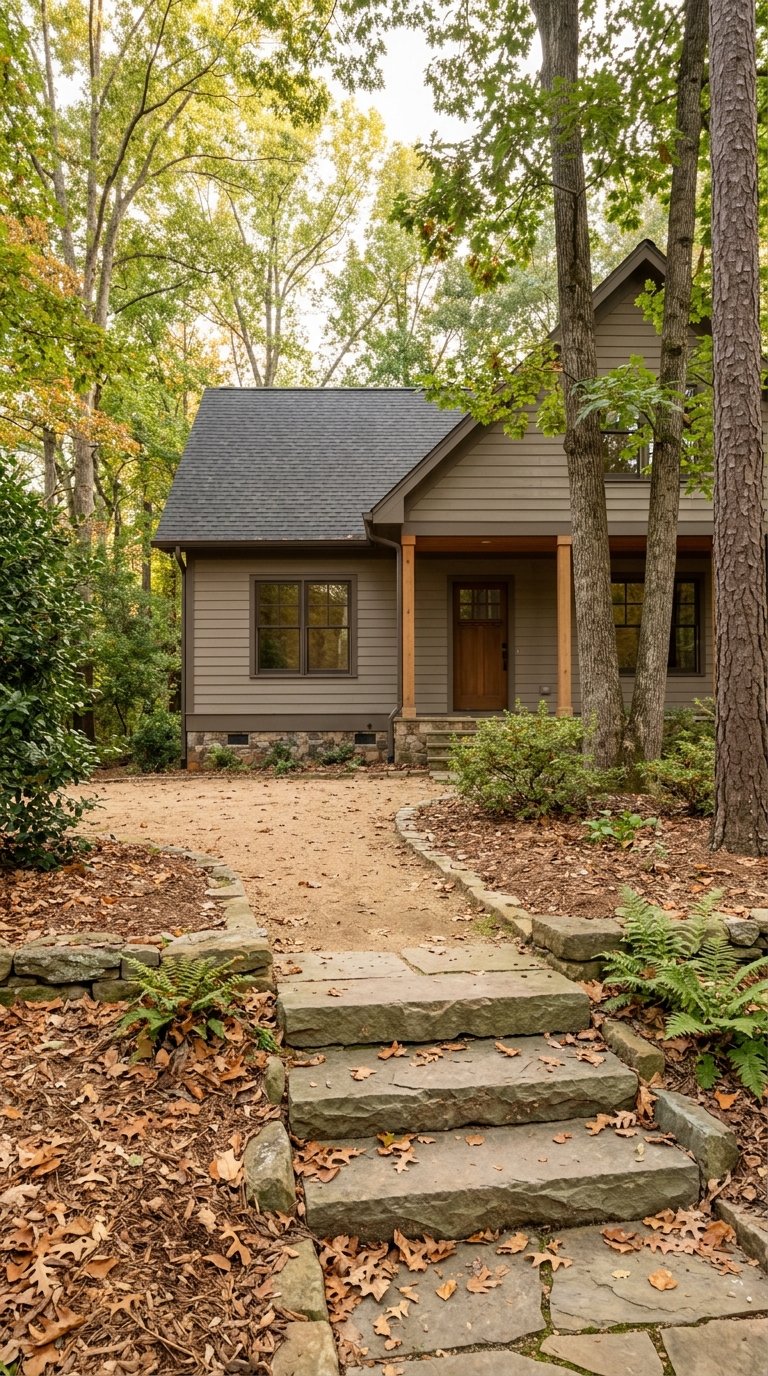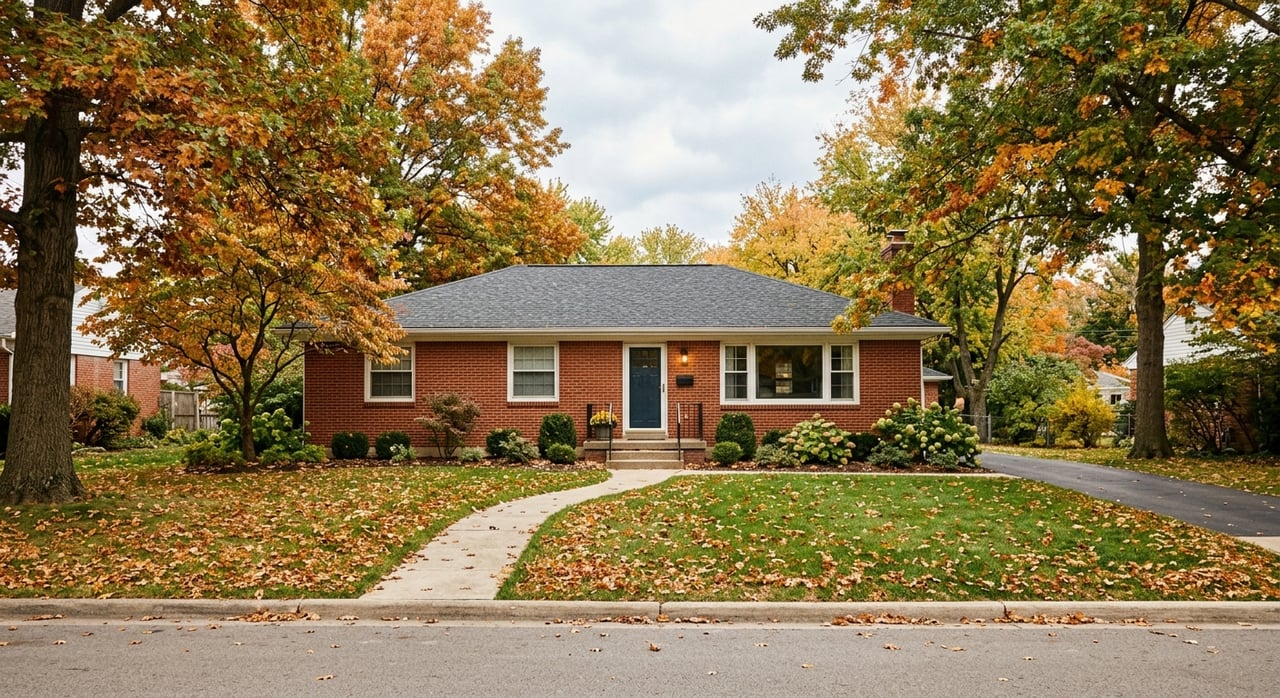
Moving to the Triangle for work can feel exciting and overwhelming at the same time. If you are buying your first home and trying to balance commute time, monthly payment, and an unfamiliar market, Durham often lands high on the list for good reason. This guide will help you understand how Durham fits RTP life, what first-time buyers should budget for, and how to shop smart in North Carolina’s contract process. Let’s dive in.
Why Durham Appeals to RTP Professionals
For many first-time buyers, Durham offers a practical mix of access, housing variety, and price points that can still feel more approachable than some nearby options. Based on recent market trackers, Durham is best understood today as a high-$300Ks to mid-$400Ks market, depending on the part of Durham and the type of home you are considering.
That range matters if you are relocating for an RTP job and trying to decide whether to rent longer or buy now. It gives you room to compare single-family homes and townhomes while staying focused on what your payment will actually look like each month.
Townhomes are especially worth a close look if this is your first purchase. Recent market data showed 427 townhouses for sale in Durham with a median listing price of $365,000, which makes that segment an important starting point for buyers who want lower maintenance or a more accessible entry point.
Durham Commutes Are Address-Specific
One of the biggest mistakes first-time buyers make is thinking a city-wide label tells them enough about daily life. For RTP professionals, commute convenience in Durham is often address-specific, not citywide.
Durham County’s mean travel time to work is 22.9 minutes, which gives you a useful baseline. Still, your real commute may vary a lot depending on whether your home lines up with your employer’s location, your parking situation, and whether you want to drive the entire trip or use transit for part of it.
Transit Options Near RTP
RTP has route-based transit options that can help some buyers narrow where they search. Frontier RTP and employers on NC-54 are served directly by GoTriangle Route 800 and GoDurham Route 12B, and riders can also connect from the Regional Transit Center to destinations within and around RTP using RTP Connect.
GoTriangle service patterns also help illustrate how location choices work in real life. Route 700 connects downtown Durham, NCCU, and Durham Tech with the Regional Transit Center. Route 705 connects downtown Durham with the RTC, and Route 800 links UNC Hospital, UNC, Streets at Southpoint, and the RTC.
RTP Connect adds a useful last-leg option for some riders. It offers a $10 Lyft or Uber subsidy for trips that begin or end at the RTC or Boxyard RTP on weekdays from 6:30 a.m. to 10 p.m.
How To Use Commute Data In Your Search
If you are only making one or two house-hunting trips, start with the commute corridor first. Before you fall in love with a kitchen or backyard, confirm that the specific address works for your job site, schedule, and preferred transportation style.
That approach can save you time and money. A home that seems like a bargain on paper may feel less attractive if your daily routine becomes harder than expected.
What First-Time Buyers Should Expect in Durham’s Market
Durham’s market is active, but it is not moving at the same speed everywhere. Recent local and public market data suggest homes are generally taking several weeks, not just several days, to sell.
Durham REALTORS reported 48 median days on market and 3.7 months of supply for Durham in February 2026. Redfin also reported 58 average days on market for Durham County in March 2026. For buyers, that usually means you may have a bit more room to compare options, but you still need to be prepared to move when the right home appears.
What Preparation Still Matters
Even in a market with more breathing room, preparation matters. You should be pre-approved, clear on your monthly comfort zone, and ready to evaluate homes quickly when one checks your boxes.
That is especially true if you are shopping in popular price points or looking at townhomes. Well-positioned homes can still attract strong attention, particularly when they offer a manageable commute and a payment that fits first-time buyer budgets.
Build Your Budget Beyond the Down Payment
A first-time buyer budget should go well beyond the list price. In Durham, your monthly and upfront costs can change meaningfully based on taxes, HOA dues, insurance, and the structure of your loan.
Closing costs typically run about 2% to 5% of the purchase price, excluding your down payment. That means you should plan for several thousand dollars above the cash you are setting aside for the home itself, even before inspections and moving expenses.
Sample Monthly Payment Range
Using a 30-year fixed average rate of 6.37% as of May 7, 2026, here is what principal, interest, and city-county property tax can look like on two common Durham price points:
| Purchase Price | 20% Down | Principal & Interest | Estimated City-County Property Tax | Total Before Insurance/HOA |
|---|---|---|---|---|
| $377,500 | $75,500 | about $1,883/month | about $312/month | about $2,195/month |
| $425,000 | $85,000 | about $2,120/month | about $351/month | about $2,471/month |
These examples are helpful for planning, but they are not your full payment. You also need to account for homeowner’s insurance, possible HOA dues, utilities, and maintenance.
Property Taxes Can Change the Math
In Durham, taxes are one of the key reasons your payment may differ from one address to another. For owner-occupied homes within Durham city limits, the combined city-county tax rate is 0.9913 per $100 of assessed value.
On a $425,000 home, that works out to about $4,213 per year. Durham County also lists a county-wide rate of 55.42 cents per $100, which would be about $2,355 per year on the same value for a home outside city limits.
That difference is a big reason to compare homes based on total monthly cost, not just purchase price. Two homes at similar price points can feel very different once taxes and HOA dues are added in.
Upfront Costs To Plan For
Some upfront costs are easy to overlook when you are focused on the down payment. In North Carolina, the deed excise tax is $1 per $500 of value and is paid by the transferor before recording. Durham County’s recording fee is $26 for most deeds and $64 for deeds of trust and mortgages.
You should also know that North Carolina Housing Finance Agency programs may help reduce upfront cash needs. The NC Home Advantage Mortgage offers down payment assistance of up to 3% of the loan amount, and eligible first-time buyers and military veterans may qualify for the NC 1st Home Advantage Down Payment of up to $15,000.
Understand North Carolina’s Due Diligence Process
If you are moving from another state, North Carolina’s contract process may feel unfamiliar at first. One of the most important features is the due diligence period, which begins on the effective date of the contract.
During this negotiated period, you can investigate the property and your financing in a structured way. That can include inspections, septic review, survey, appraisal, title search, loan qualification, loan application, and repair negotiation.
What Due Diligence Means for Buyers
The due diligence fee is a negotiated payment from buyer to seller for the right to conduct that investigation. It is generally non-refundable, though it is credited toward the purchase price if the sale closes.
Earnest money is common but not required. It is usually held in trust by an escrow agent or closing attorney.
If you are not satisfied during the due diligence period, you can terminate the contract without seller consent, but the termination must be in writing and submitted before the deadline. It is important to make sure your due diligence period is long enough to cover appraisal and loan approval timing.
Why Out-of-Town Buyers Need a Plan
For RTP relocators, the due diligence window is not the time to start learning the process. It is the time to execute a plan.
That means pre-booking inspections, coordinating lender conversations early, and thinking ahead about appraisal timing before you travel. When you are on the ground in Durham, your time is usually better spent comparing locations, home types, and monthly-cost tradeoffs than trying to piece together logistics at the last minute.
How To Tour Durham Efficiently
If your schedule is packed, a simple touring framework can keep you focused. A practical order for many RTP buyers is this:
- Match the commute corridor first.
- Compare property type and likely HOA or tax exposure.
- Narrow by condition, layout, and long-term flexibility.
This order works because your daily routine and monthly payment usually matter more than cosmetic details in the early stages. It also helps you avoid spending time on homes that look great online but do not fit your real-life needs.
Compare More Than the House
As you tour, pay attention to the full ownership picture. Ask how the address changes your tax situation, whether there are HOA dues, and how the home type may affect maintenance and resale flexibility.
For many first-time buyers, the real question is not simply whether a home is in Durham. It is whether that specific home fits your commute, your budget, and your comfort level with upkeep.
Why Local Guidance Matters
When you are relocating to Durham for RTP work, it helps to have someone who can connect the dots between market data, contract terms, and the practical tradeoffs of each home. That is especially valuable when you are comparing townhomes, evaluating monthly cost differences, or trying to understand how a North Carolina purchase process differs from what you may know elsewhere.
A thoughtful first home purchase is rarely about chasing the lowest price or the trendiest listing. It is about choosing a home you can comfortably afford, commute from, and grow into with confidence.
If you are planning a move to Durham and want a clear, local strategy for your first purchase, Dana Wicker Cantrell can help you evaluate commute fit, budget tradeoffs, and the buying process with practical Triangle insight.
FAQs
What is a realistic home price range for first-time buyers in Durham?
- Recent market trackers place Durham broadly in the high-$300Ks to mid-$400Ks, with variation by location and property type. Townhomes may offer a lower-price comparison point, with recent data showing a median listing price of $365,000 for Durham townhouses.
How important is commute planning when buying in Durham for an RTP job?
- It is very important because commute convenience depends heavily on the specific address. Durham County’s average commute time is 22.9 minutes, but access to RTP can vary based on route coverage, employer location, and whether you plan to drive or use transit.
What should first-time buyers know about North Carolina due diligence?
- North Carolina uses a negotiated due diligence period that starts on the effective date of the contract. During that time, you can investigate inspections, appraisal, title, financing, and repair issues, and you may terminate in writing before the deadline if the property or terms do not work for you.
What are closing costs like for Durham homebuyers?
- A common planning range is about 2% to 5% of the purchase price, excluding the down payment. You should also budget for inspections, moving expenses, insurance, and any HOA dues that may apply.
How do Durham property taxes affect monthly payment?
- Taxes can make a noticeable difference in your monthly budget. Owner-occupied homes within Durham city limits use a combined city-county rate of 0.9913 per $100 of assessed value, while homes outside city limits may be taxed at the county-wide rate of 55.42 cents per $100.