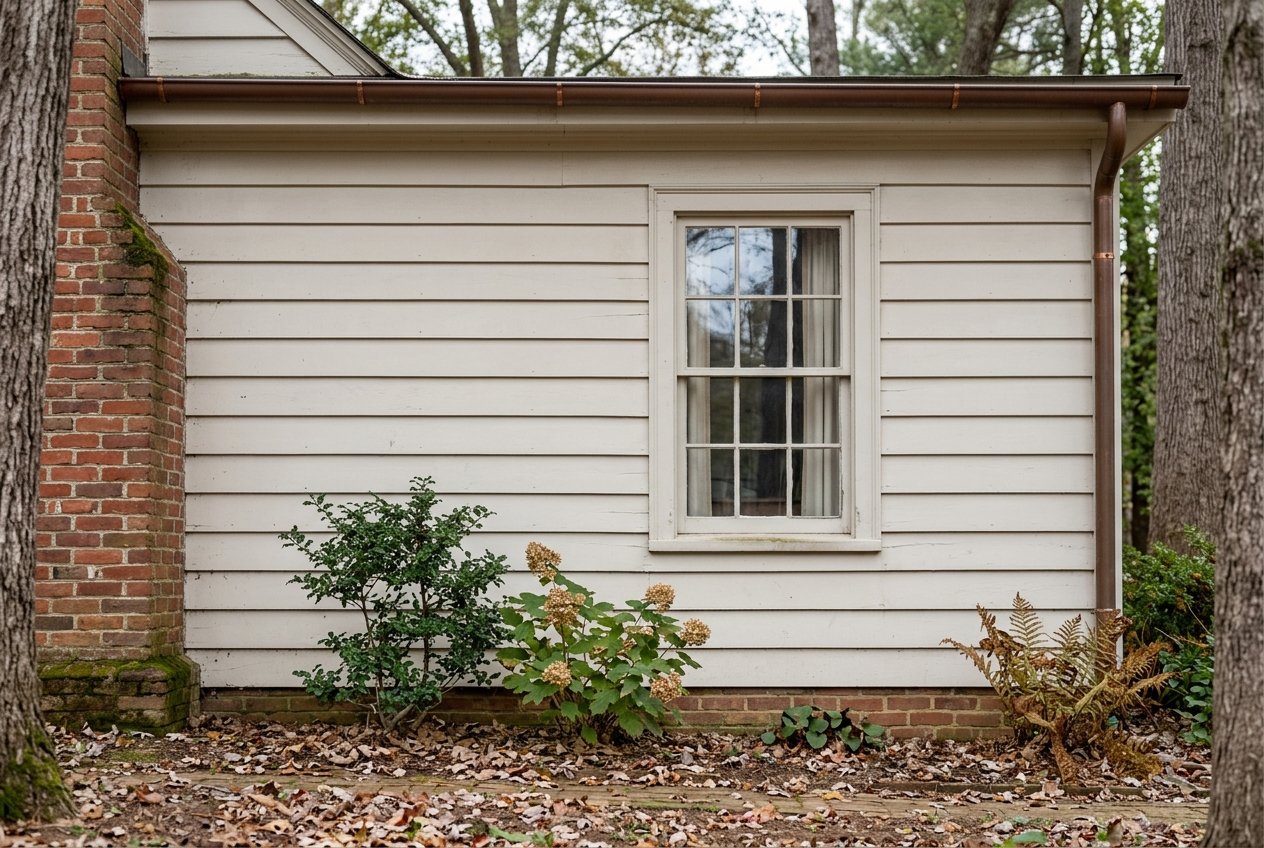
Thinking about buying one of Hillsborough’s historic homes? It can be exciting to picture original windows, old brick, and centuries of character, but these homes also ask more from you before and after closing. If you understand the local review process, know what to inspect first, and budget for the right repairs, you can move forward with far more confidence. Let’s dive in.
Why historic homes in Hillsborough need extra homework
Hillsborough’s local historic district was created in 1973 and includes the town’s commercial core plus nearby residential areas. It overlaps with the National Register district, but it is a separate local designation with its own rules. That difference matters because a home can carry historic status in ways that affect renovation decisions.
If a property is inside the local historic district, exterior changes may require a Certificate of Appropriateness. Some projects may qualify as minor work or ordinary maintenance and repair instead, but you should never assume. The town also warns owners not to begin work before approval.
This creates a two-layer due diligence process for buyers. You need to understand both the town’s historic review requirements and Orange County’s permitting process for broader renovation work. Hillsborough also recommends a pre-application conference four to six weeks before submittal, which can affect your planning timeline.
Start with district status before plans
Before you fall in love with a renovation idea, confirm whether the home is locally regulated. That is one of the first questions to answer because it affects exterior work such as alteration, restoration, moving, demolition, and new construction. It can also shape your budget, schedule, and contractor conversations.
For many buyers, this is where expectations become more realistic. A project that seems simple on paper may need local review, county permits, inspections, or all three. That is why it makes sense to verify the property’s status before buying materials or signing construction contracts.
Know the common historic styles
Hillsborough’s design standards identify several common architectural eras in the district. You may see Federal and Georgian homes from roughly 1800 to 1840, Greek Revival homes from about 1830 to 1865, and later Italianate, Folk Victorian, and Queen Anne houses from about 1880 to 1910. Each style can bring different exterior details, rooflines, porch features, and repair needs.
In practical terms, older homes here may include symmetrical facades, classical trim, decorative brackets, spindlework, towers, or more irregular forms. These details are part of what makes historic homes appealing, but they can also require a more careful renovation approach. Preserving existing elements where possible is often a smarter path than quick replacement.
Original materials may be worth saving
Traditional materials in Hillsborough’s historic district include wood, stone, masonry, and cast metals. In the commercial core, brick is a common exterior wall material, while wood often appears in windows, doors, storefronts, and exterior details. For buyers, that means original material should be evaluated carefully before it is treated as disposable.
Old siding, trim, masonry, porch elements, and especially older wood windows may still have useful life left. National Park Service guidance notes that wood windows were the standard through the 1930s and that old-growth wood windows can last for centuries if maintained. In many cases, repair deserves serious consideration before replacement.
Inspect the building envelope first
When you buy an older home, the most important inspection priorities usually start outside. The building envelope includes the roof, gutters, flashing, drainage, siding, masonry, and windows that help keep water out. According to National Park Service guidance, routine maintenance is the most cost-effective way to extend a building’s life.
That is why roof leaks, failed gutters, and poor drainage should never be treated as cosmetic concerns. Water intrusion can affect framing, finishes, masonry, and interior air quality over time. If you are comparing multiple historic homes, the condition of the exterior shell can tell you a lot about future repair costs.
Roof and drainage matter most
A sound roof and effective water management system help an older home stay stable. If gutters are missing, flashing is failing, or grading sends water toward the foundation, repair costs can grow quickly. Even beautiful historic features lose value if moisture problems are left unaddressed.
Masonry needs the right repair approach
If the home has brick or stone, inspect mortar joints, damp walls, loose masonry, and signs of previous improper work. National Park Service guidance recommends repointing only where deterioration is present and matching the historic mortar’s strength, composition, color, and texture. It also cautions against sandblasting, high-pressure water, and hard portland-cement mortars that can damage older masonry.
Just as important, masonry problems may begin somewhere else. A leaking roof or failing gutter can create visible damage in brick walls, so repairs should be viewed as part of the whole exterior system. That bigger-picture mindset can save you from spending money in the wrong place.
Windows deserve a closer look
Historic windows are often one of the first things buyers worry about. The National Park Service says condition should be the main factor in deciding whether to repair or replace them. In many cases, sash repair, glazing work, weatherstripping, or storm windows can improve performance while keeping the original windows in place.
That matters in Hillsborough because original windows are part of a home’s character and may also be tied to local review expectations. If a seller or contractor says every old window must go, it is worth slowing down and getting a more careful evaluation.
Plan for lead and asbestos risks
Many historic homes were built long before modern material standards. If the house was built before 1978, it is more likely to contain lead-based paint. The EPA notes that renovation work such as sanding or window replacement can create hazardous lead dust and chips.
For that reason, buyers should factor lead-safe renovation practices into both timelines and budgets. The EPA recommends hiring a lead-safe certified contractor for renovation work in pre-1978 homes. Sellers and landlords of most pre-1978 housing are also required to disclose known lead-based paint information.
Asbestos is another issue that can show up in older homes. The Consumer Product Safety Commission notes that asbestos was used in many products until the 1970s, including some pipe insulation, floor tiles, roofing and siding shingles, textured paint, and patching compounds. If these materials are damaged or will be disturbed during remodeling, professional repair or removal is recommended.
Build a renovation budget around priorities
A smart budget for a historic Hillsborough home separates cosmetic wants from structural and systems needs. It is easy to get distracted by paint colors and kitchen finishes, but the bigger cost drivers are often roof repairs, drainage fixes, masonry work, window restoration, and updates to plumbing, electrical, or HVAC systems. Lead or asbestos mitigation can also affect the final number.
This is where contingency planning becomes essential. Historic homes often come with unknowns that only become clear after deeper inspection or the start of work. A realistic budget should include inspection costs, repair allowances, and room for surprises.
Focus on this order of work
If you want a practical framework, start here:
- Verify whether the property is in the local historic district.
- Review likely town approvals for exterior changes.
- Check Orange County permit needs for renovation and trade work.
- Inspect the roof, gutters, flashing, drainage, masonry, and windows.
- Price potential lead and asbestos issues.
- Budget major systems before cosmetic upgrades.
- Build in time before ordering materials or hiring contractors.
This sequence follows the guidance outlined by the town, county, EPA, CPSC, and National Park Service sources in the research.
Orange County permits can affect timing
For broader renovation work, Hillsborough directs property owners to contact the county before signing contracts or buying supplies. This includes projects involving electrical, heating, air conditioning, plumbing, and other common trade work. Orange County’s permitting portal is designed to track permits and inspections in one place.
That means even smaller upgrades may require permits, review time, or inspection scheduling. If you are trying to plan a move-in date around renovation, permit timing should be part of your early strategy. It is much easier to account for that upfront than to be surprised later.
Research the home’s history before you renovate
If part of the appeal is the home’s story, Orange County offers useful records that can help you understand it better. The county’s Local History Collection includes maps, land-grant materials, an index to deeds, and the Record of Deeds back to 1775. The Register of Deeds also maintains archival real-property records with remote inquiry access.
These records can help you learn more about ownership history and property context before finalizing a renovation scope. That kind of research will not replace inspections or permit review, but it can give you a stronger sense of what you are buying and what details may be worth preserving.
Buying with confidence in Hillsborough
A historic home in Hillsborough can be a rewarding purchase if you go in with a clear plan. The best approach is usually simple: confirm local regulation first, inspect the exterior envelope carefully, budget for hidden hazards and major systems, and allow time for review and permits. When you follow that order, you reduce surprises and make better renovation decisions from the start.
If you are considering a historic home and want practical guidance on evaluating renovation potential, timing, and costs, Dana Wicker Cantrell can help you navigate the process with local insight and a construction-minded perspective.
FAQs
What makes buying a historic home in Hillsborough different from buying another older home?
- In Hillsborough, a home may be inside the local historic district, which can trigger town review for exterior changes in addition to Orange County permit requirements.
What should you inspect first in a Hillsborough historic home?
- Start with the roof, gutters, flashing, drainage, masonry, windows, and other parts of the exterior envelope because water management issues often drive major repair costs.
Do all exterior renovations in Hillsborough’s historic district require approval?
- Not always, but exterior work may require a Certificate of Appropriateness, while some projects may qualify as minor work or ordinary maintenance and repair.
Should you replace original wood windows in a historic Hillsborough home?
- Not automatically, because National Park Service guidance says window condition should drive that decision and many historic wood windows can be improved through repair.
What hazards should you budget for in an older Hillsborough home?
- Common concerns include lead-based paint in many pre-1978 homes and asbestos in certain older building materials, especially if renovation will disturb them.
When should you check Orange County permits for a Hillsborough renovation project?
- Before signing contracts or buying supplies, since county permits and inspections may apply to renovation work involving systems such as electrical, HVAC, and plumbing.