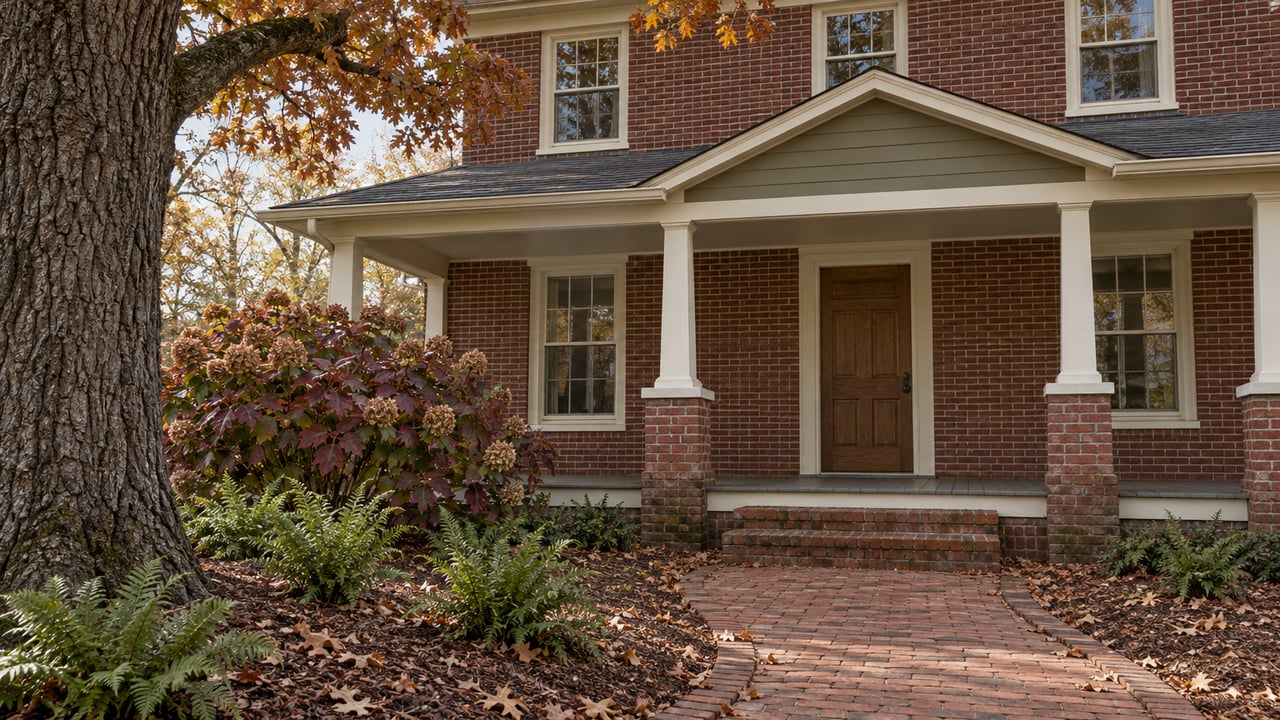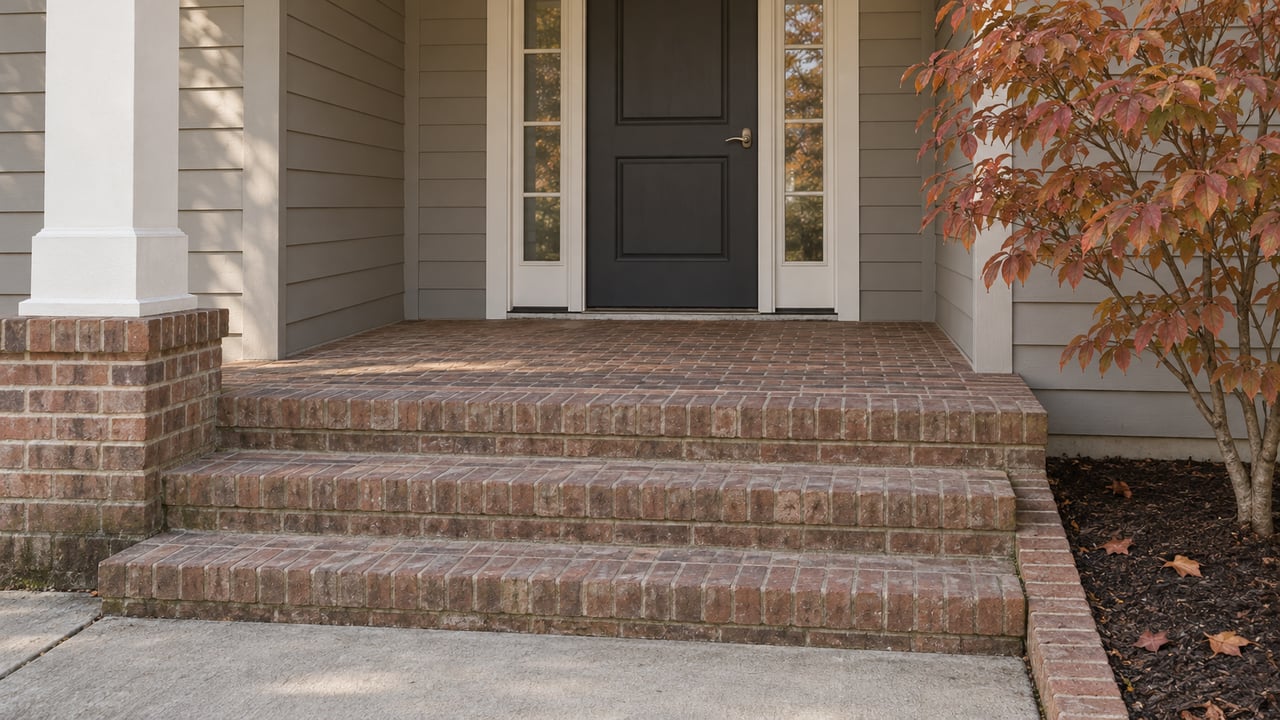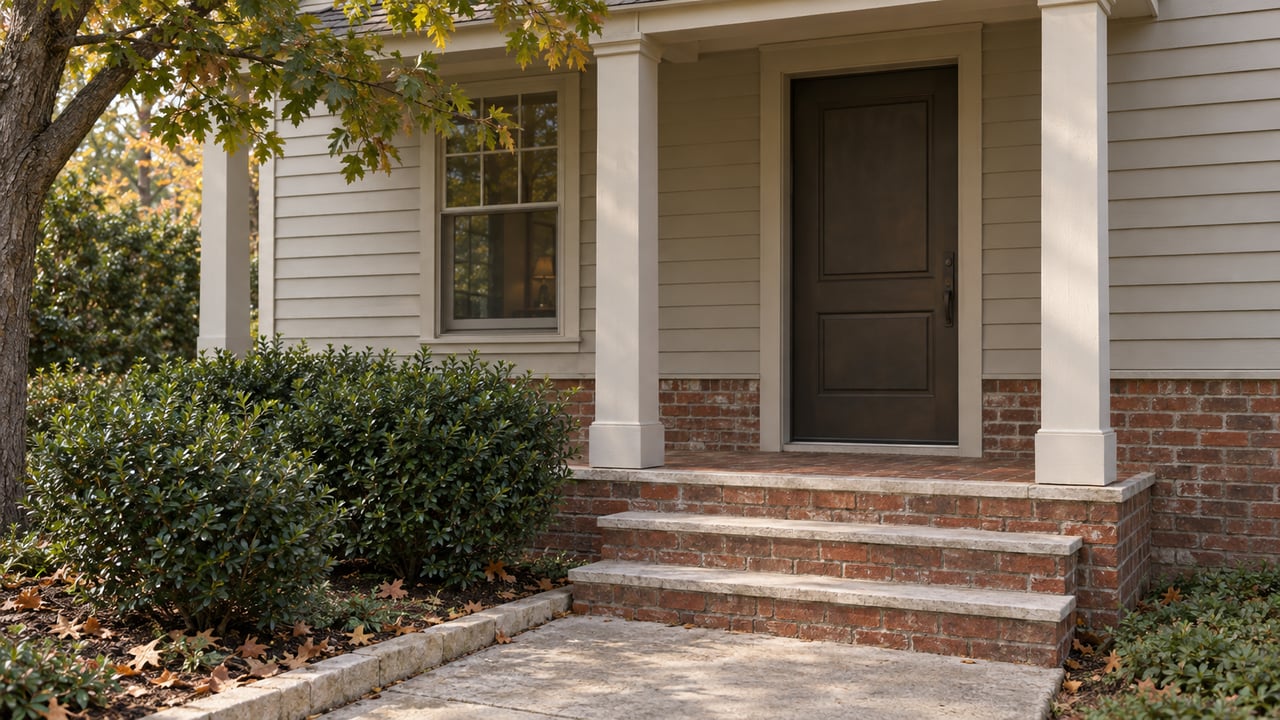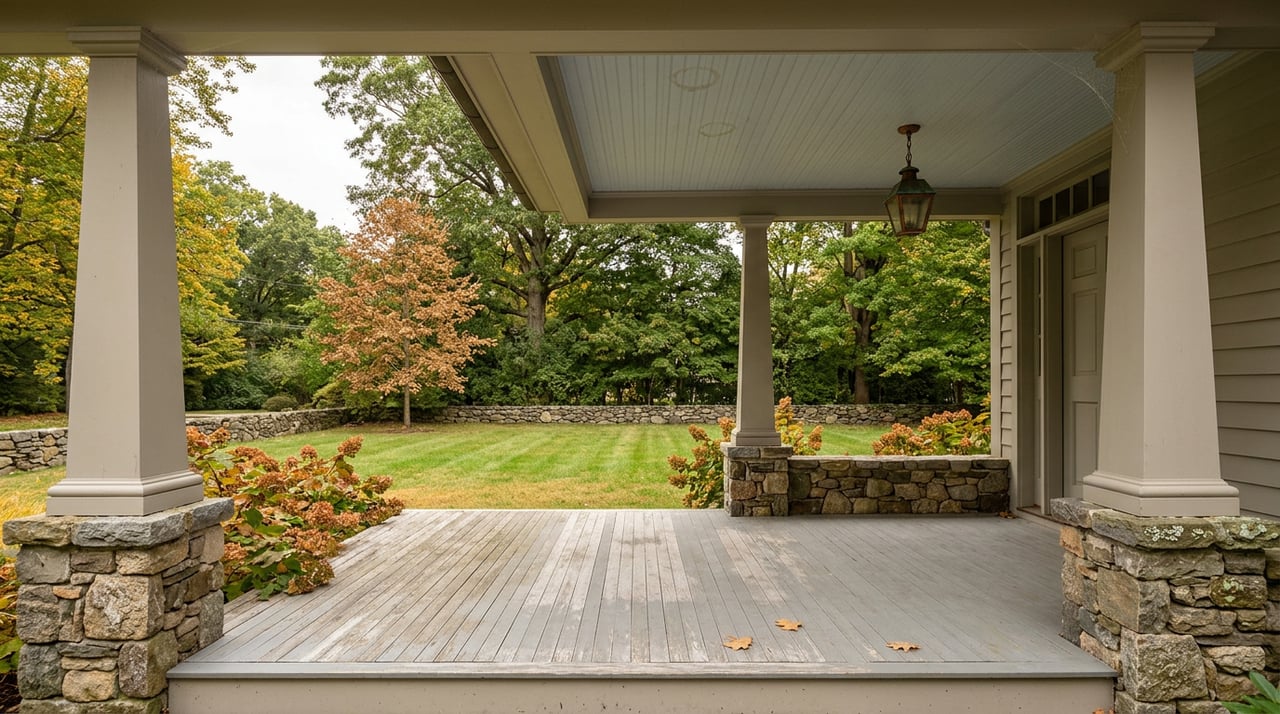
A homeowner in one of Chapel Hill's local historic districts once stood in front of the Historic District Commission and asked, through a lawyer and an architect, for permission to build a combination iron and chain-link fence around a large piece of property. The reason had nothing to do with architecture. Deer kept eating the garden. The commissioners, who by their own admission understood the problem better than most, still had to weigh the request against the same design standards that govern porch columns and window trim.
That story, reported by the community watchdog site Chapel Hill Watch, is a better introduction to how the Historic District Commission actually works than most real estate guides give you. The popular version of this topic treats Franklin-Rosemary, Cameron-McCauley, and Gimghoul as places where a review board signs off on everything from paint chips to shrubbery. The Town's own rules say otherwise. And that gap between reputation and reality is exactly where buyers lose weeks they didn't budget for, or pay a premium for protection the ordinance never promised.
What actually requires a Certificate of Appropriateness
Several real estate sites describing these three districts list "choice of paint color" and "landscaping" among the things that need Historic District Commission sign-off before you touch them. The Town of Chapel Hill's planning department describes it differently. Under Section 3.6.2 of the Land Use Management Ordinance, a Certificate of Appropriateness is required for exterior construction, alteration, restoration, or demolition. The ordinance carves out two specific exceptions worth knowing before you write an offer: ordinary maintenance or repair that does not change the design, material, or outer appearance of a feature typically does not need a COA, and, according to the Town's historic district FAQ, changes to trees and landscaping do not need one at all.
That second exception matters more than it sounds. If you're buying in Cameron-McCauley planning to regrade a slope, add a stone path, or replace overgrown foundation plantings, you are not waiting on a commission vote to do it. If you're repainting your house the same color it already is, that's maintenance, not a design change, and it clears the same way. Repaint it a different color, though, and you've altered the outer appearance, which is the threshold the ordinance actually cares about. The rule isn't "everything visible needs approval." It's "changes to design, material, or appearance need approval." Those are different sentences with very different renovation budgets attached to them.
How the calendar and project scope affect timing
Here is the friction that actually catches buyers off guard: the monthly calendar and whether your project goes to staff or the full Commission. The first thing to understand is when they meet.
According to the Town's Historic District Commission meeting page, the Commission holds regular meetings on the second Tuesday of each month at Town Hall. To get on that agenda, a completed Certificate of Appropriateness application has to be submitted by the third Friday of the preceding month, according to the Town's own design guidelines. Missing that Friday can delay your project.
Run the math on a fall closing. Close in early October, decide you want new porch railings before winter, and you're looking at a mid-October or mid-November deadline just to get on an agenda, then a vote that may or may not happen on the first pass. the Commission can vote to continue a hearing to a later meeting if members want more information before deciding. It's a fixed monthly rhythm, and it should shape how you sequence a renovation before you ever sign a contract.
Ask early how your project will be reviewed before you assume either the fastest or slowest timeline applies.
What skipping the process actually costs
The Town's design guidelines spell out the penalty for altering a historic district property without an approved Certificate of Appropriateness: removal of the unapproved work, a civil citation, a fine, or other legal action. That's not a hypothetical. It's the enforcement mechanism written into the ordinance itself.
There's a harder edge to this too. The Town's historic district FAQ explains that state law limits how far a local historic district can go in protecting a structure from its owner's wishes. A Historic District Commission cannot permanently deny a demolition request, only delay it. Chapel Hill Watch reported on a case where an out-of-state developer purchased two adjoining historic homes in one of the districts, and the Commission found itself preparing for demolition applications it had limited power to stop outright. If you're buying with renovation plans, the ordinance protects the district's character during your ownership. It was never designed to prevent every future owner from deciding differently.
Three districts, three different regulatory personalities
The three local historic districts share a rulebook but not a market profile, and the differences trace back to what actually gets built and sold in each one.
Franklin-Rosemary, established in 1976 as the Town's first local historic district, sits closest to campus and Franklin Street, with architecture spanning Federal, Greek Revival, and Queen Anne styles alongside bungalows. It consistently commands the highest prices of the three, typically from the $800,000s into multi-million-dollar territory, and its walkability to downtown is part of why buyers pay for it.
Cameron-McCauley, created the same year as Gimghoul under Town Council designation in 1990, was built out through the 1940s as housing for UNC faculty and staff. Its price range is the widest of the three by far, with some condo conversions trading under $300,000 and the largest homes reaching well past $1 million. That spread reflects a district that has absorbed more adaptive reuse over the decades than the other two.
Gimghoul is the smallest and, in some ways, the most rigid. It's a collection of just 37 homes built in the 1920s and 1930s, originally as faculty housing, laid out along a ridge overlooking Battle Park with the kind of dense tree canopy and winding roads that photograph beautifully and trade slowly. As of August 2026, homes listed for sale in Gimghoul carried a median price of $2.49 million, down 13 to 14 percent from the prior year, with a median of 160 days on market, unchanged from the year before. That's worth sitting with. Gimghoul is the district where exteriors have changed the least since the 1930s, the closest thing Chapel Hill has to architectural time capsules, and its 2026 pricing didn't reward that consistency with appreciation. A small, tightly controlled inventory can mean thin trading and long marketing times just as easily as it can mean scarcity value. Tight design review and strong price growth are not the same promise, and treating them as interchangeable is the kind of assumption that gets expensive.
What this means if you're buying with renovation plans
If a Certificate of Appropriateness stands between you and the work you want done, plan around the third-Friday deadline and the second-Tuesday meeting, not around your closing date. Ask early about the review path for your project, since it can affect your timeline. And before you assume a district's reputation for strict exterior control translates into stronger resale performance, look at what the district has actually done lately, not just what it looks like from the street.
A few questions worth asking before you write an offer
Does a National Register historic district listing trigger the same approval requirements as a local historic district? No. Chapel Hill has both local historic districts and National Register historic districts, and they're governed differently.
Do I need approval to repaint my house? If you're repainting the same color, that typically counts as ordinary maintenance and doesn't require a COA. Changing the color is a change in outer appearance, which generally does.
Can the Historic District Commission stop a demolition entirely? No. State law allows a local commission to delay a demolition request but not deny it outright, which is why some of the more contentious cases in Chapel Hill's historic districts have involved demolition rather than routine renovation.
Buying or renovating in one of Chapel Hill's historic districts rewards the kind of planning that starts before you're under contract, not after. If you're weighing a purchase in Franklin-Rosemary, Cameron-McCauley, or Gimghoul, or you're trying to figure out what a renovation timeline actually looks like once the Historic District Commission is involved, Dana Cantrell Realty can walk through the specifics with you before you make an offer. Let's Connect.
This article is general information, not legal, tax or financial advice. Consult a qualified professional about your situation.